

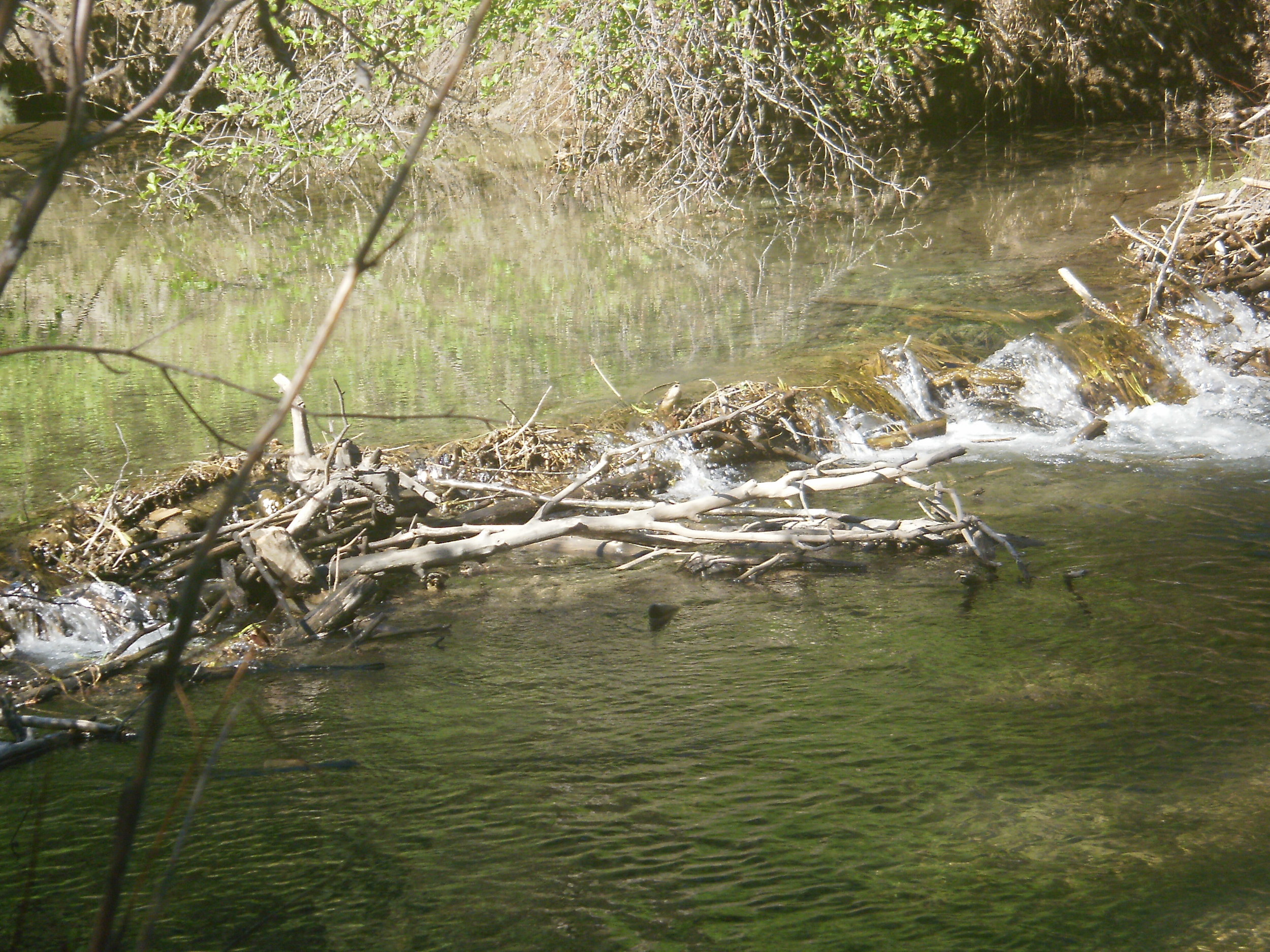
About the Piledriver Slough Study
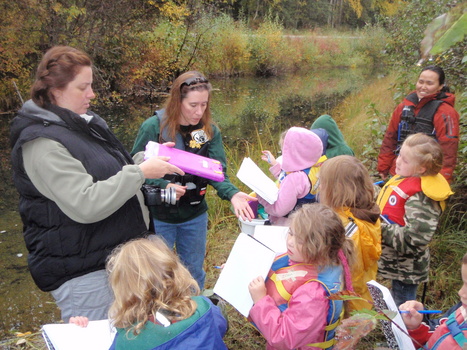
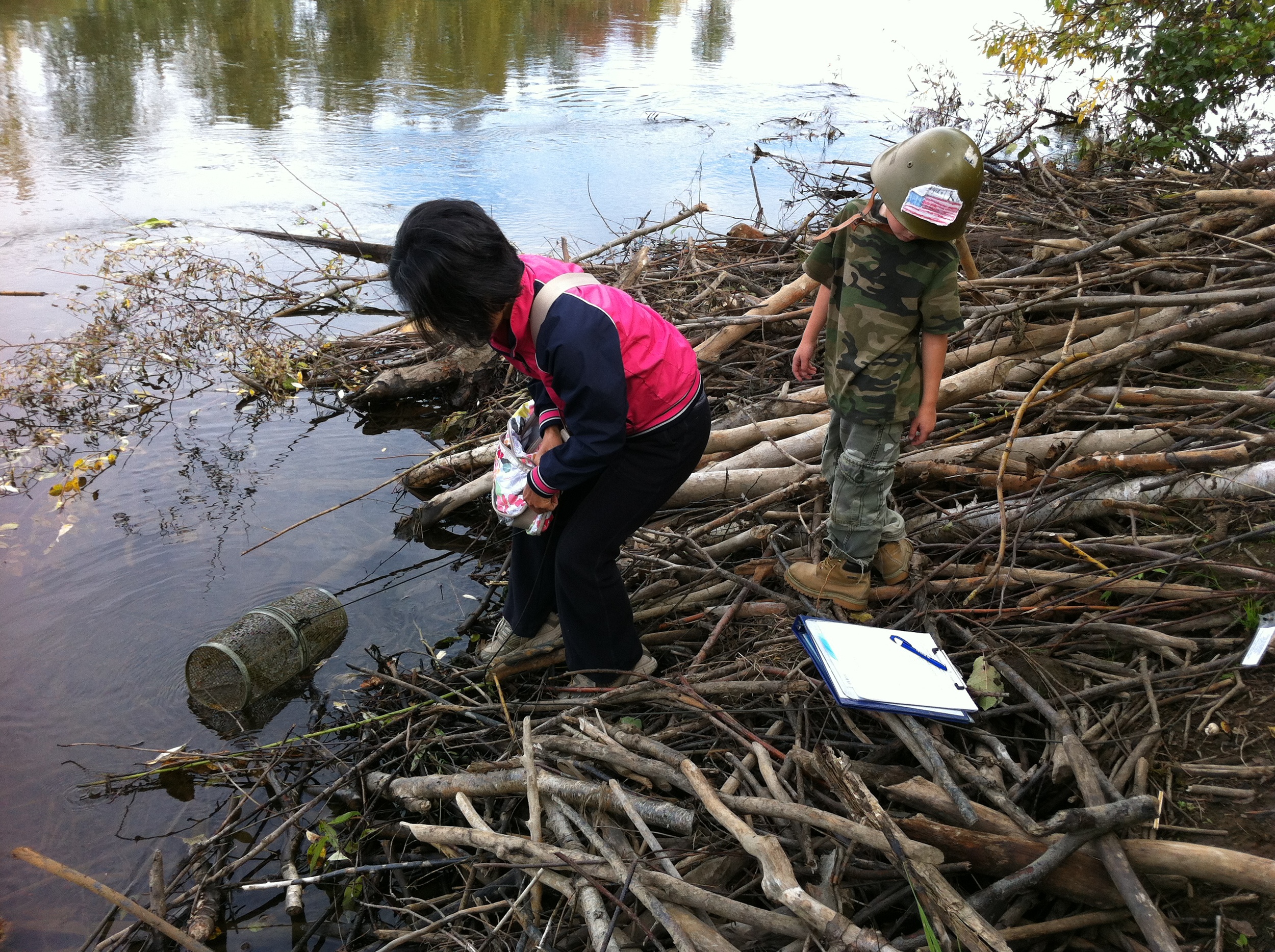
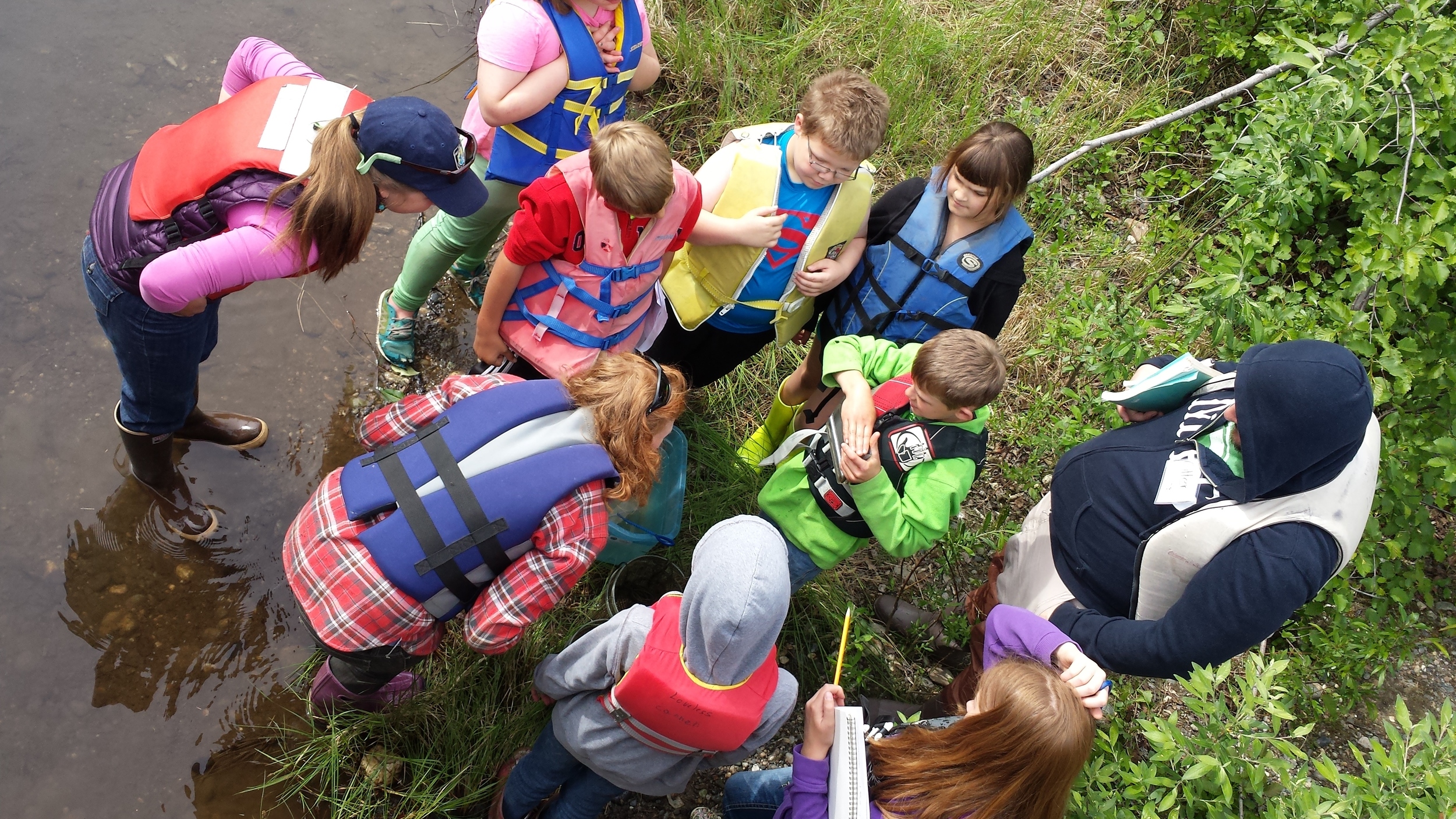
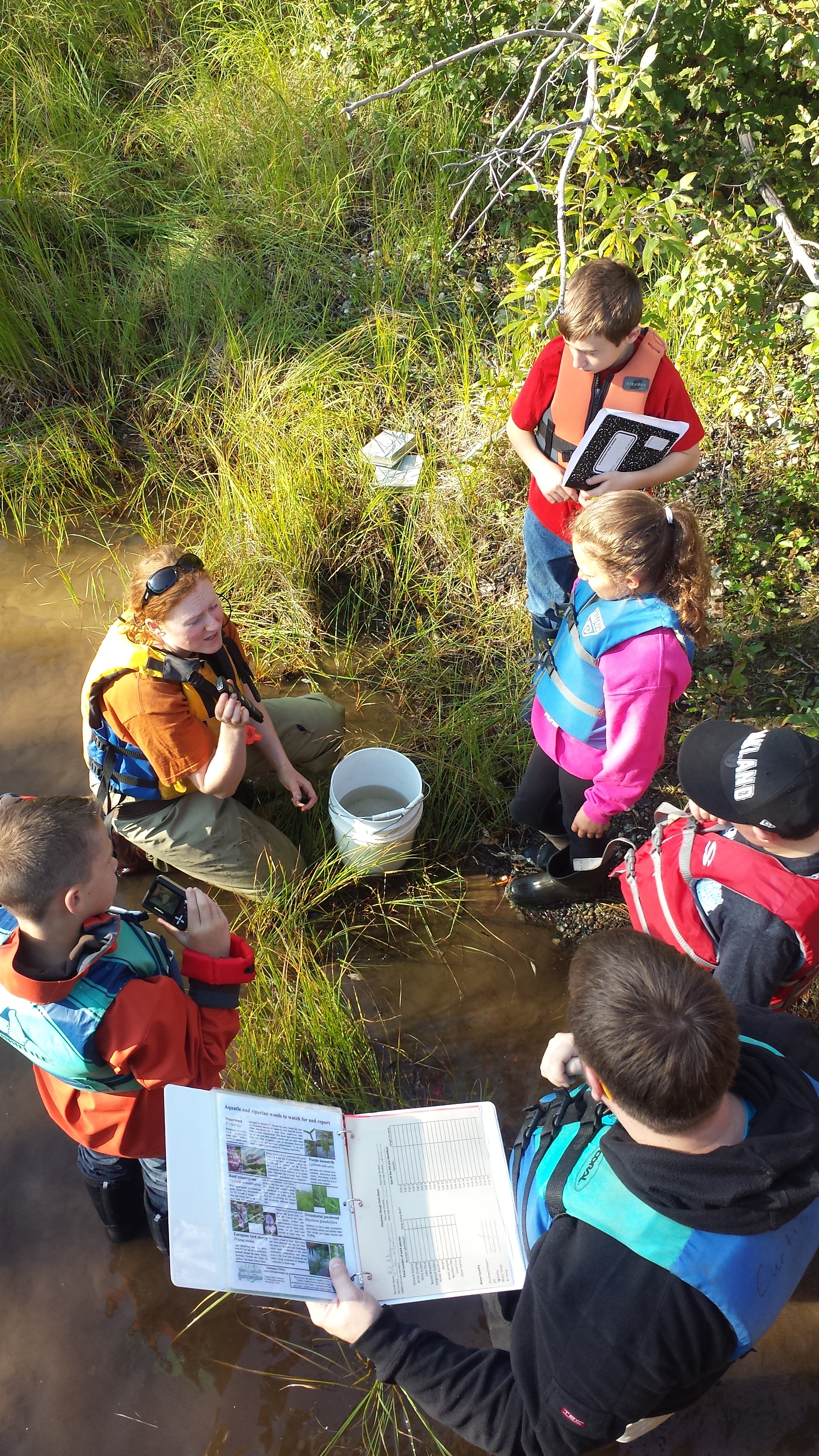
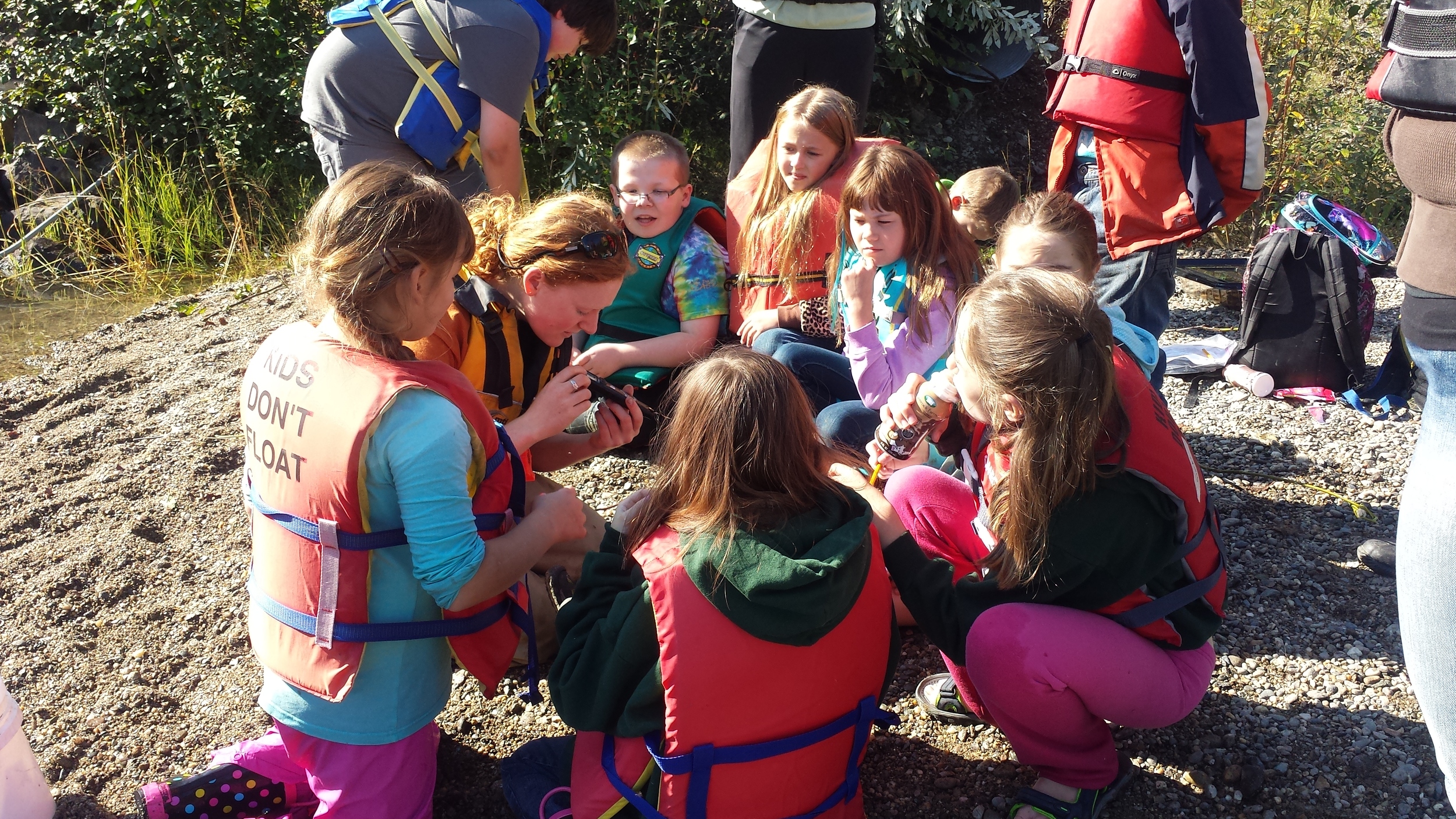
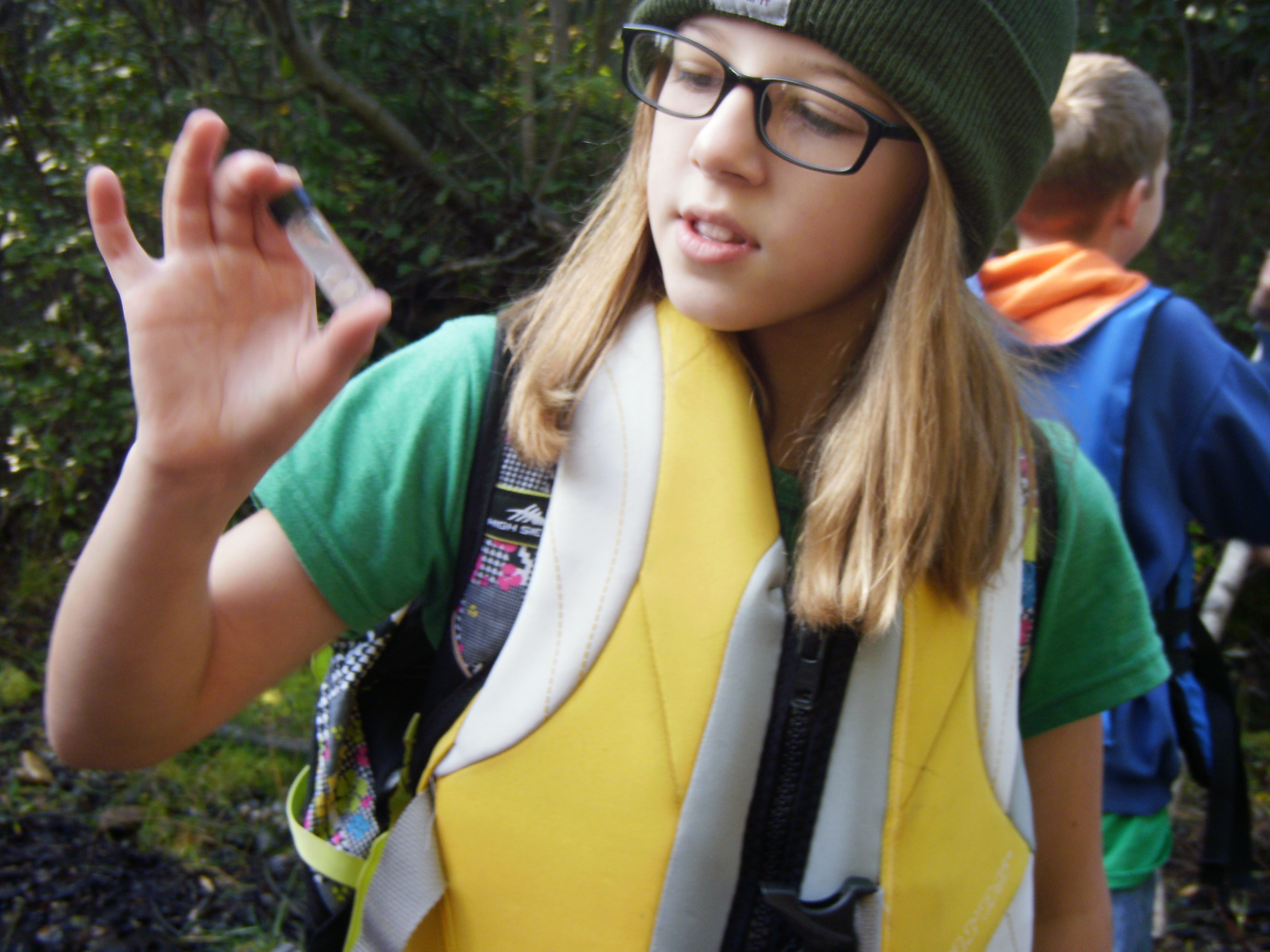
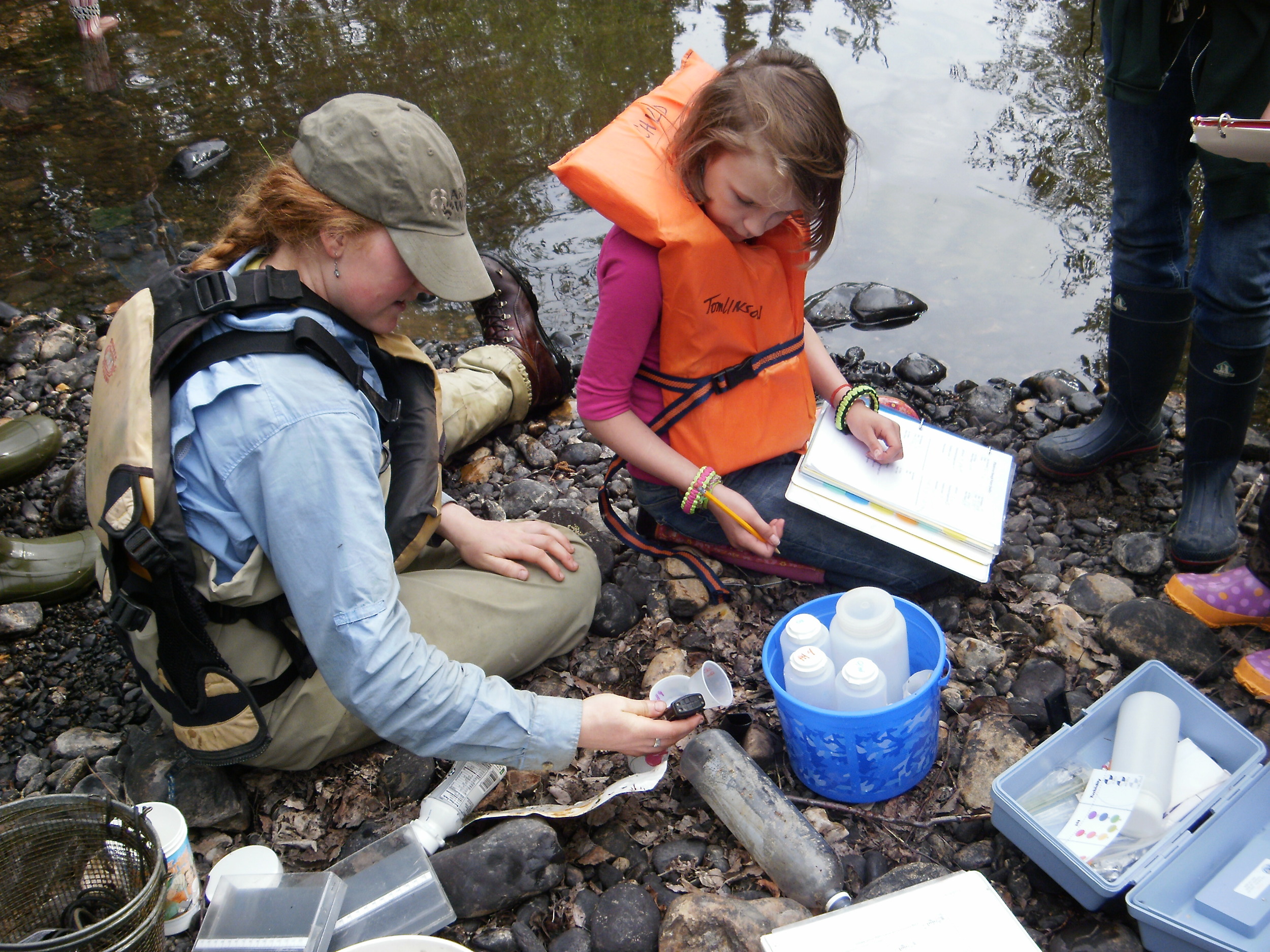
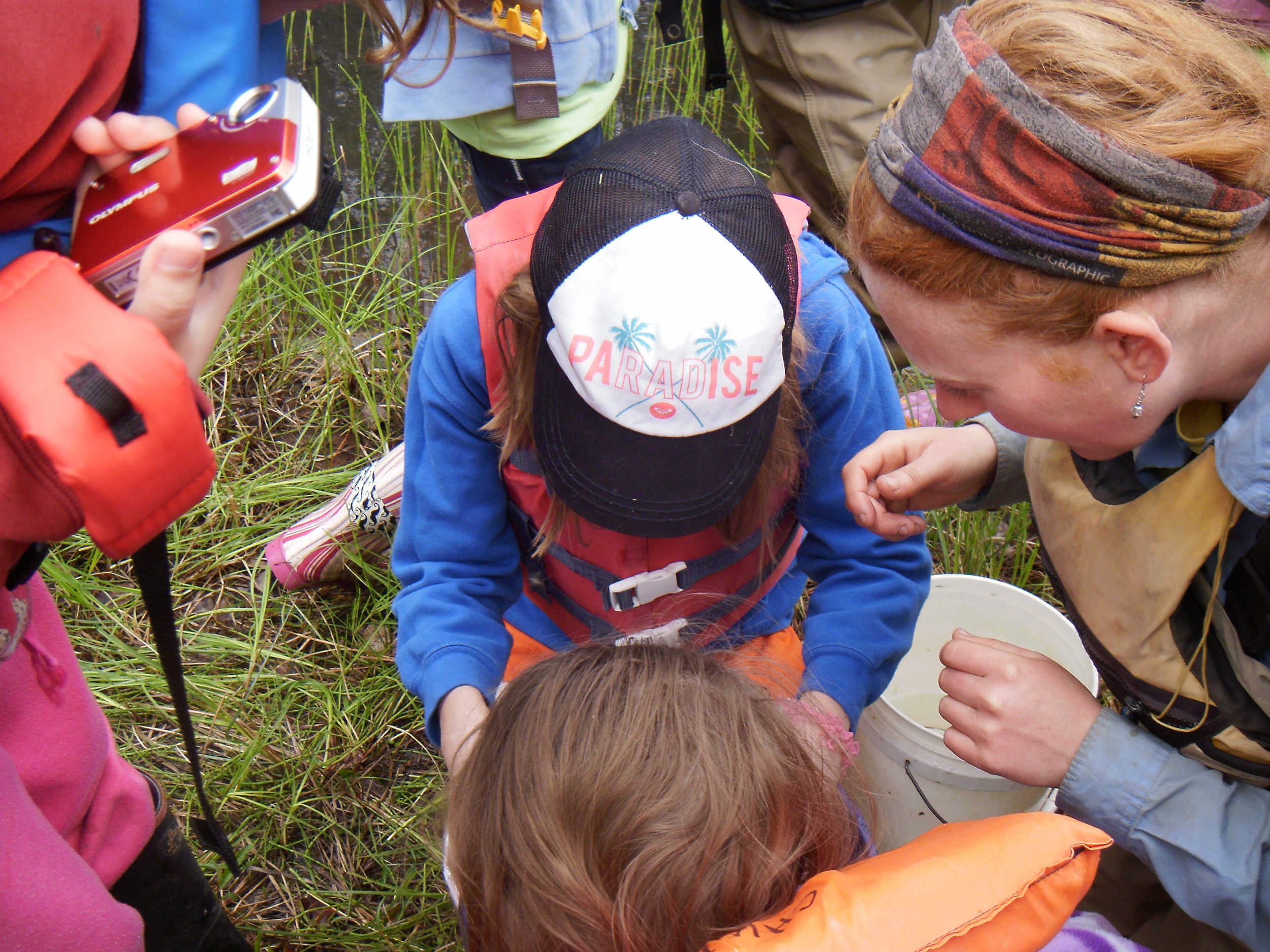
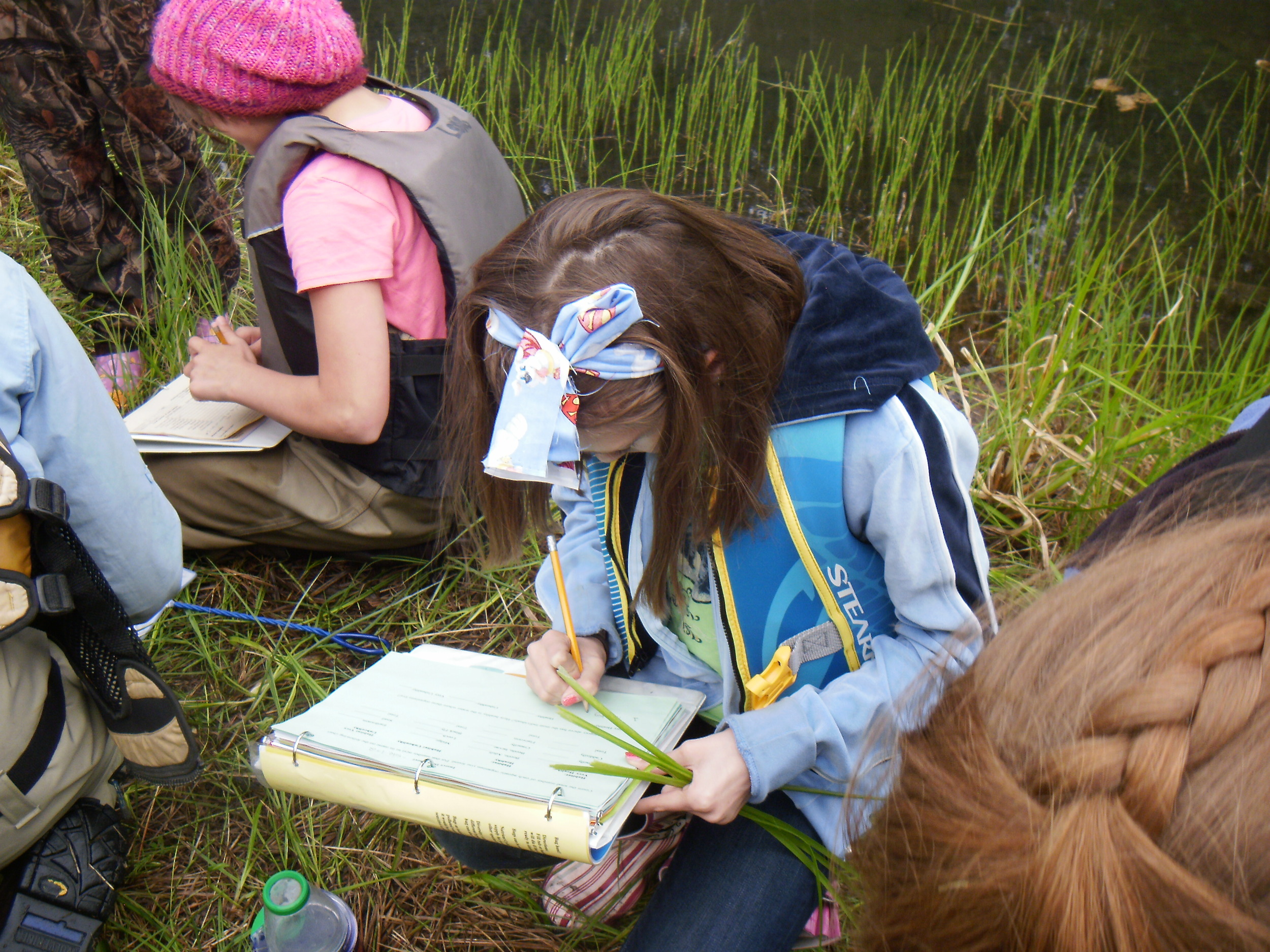
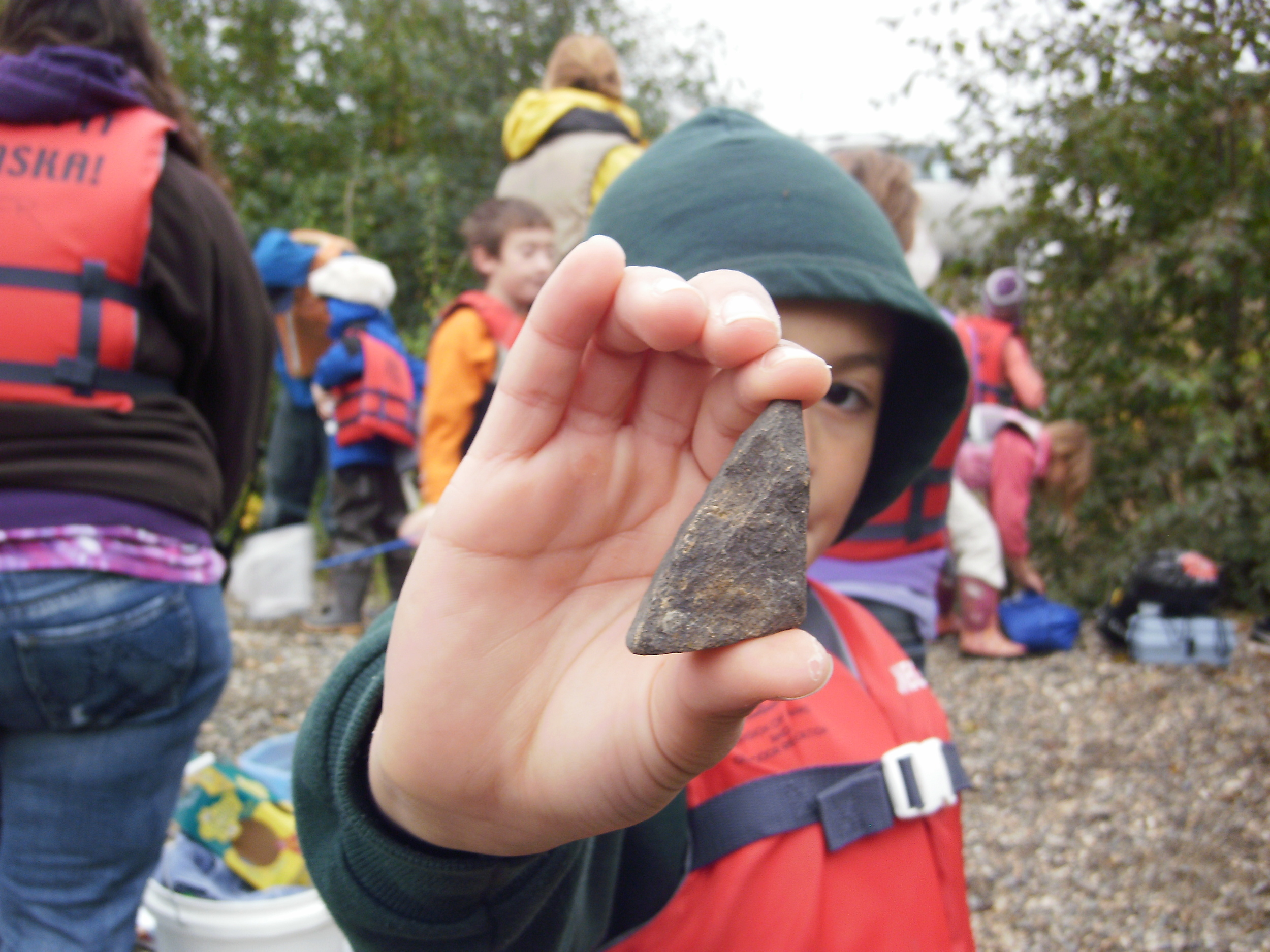
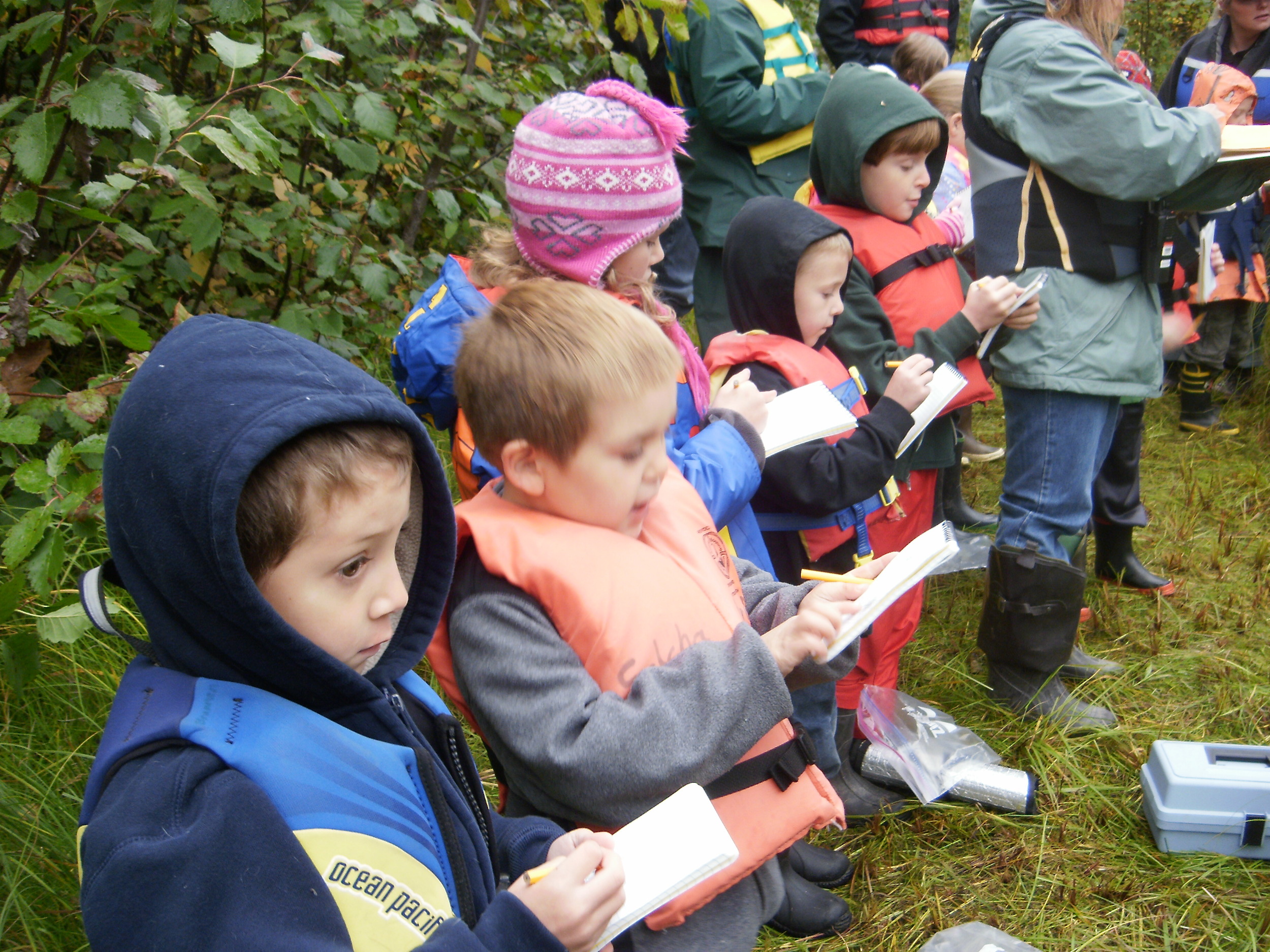
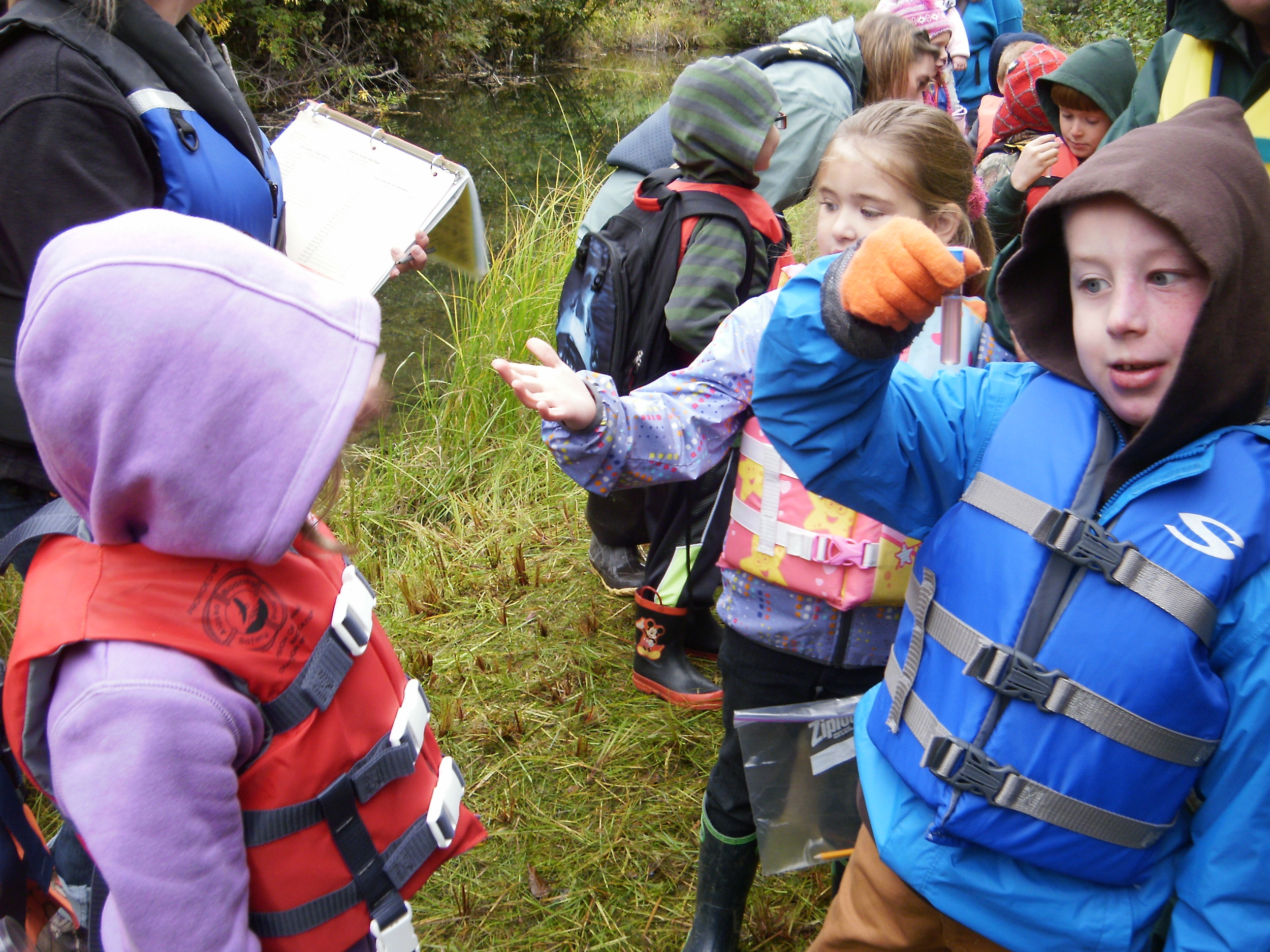
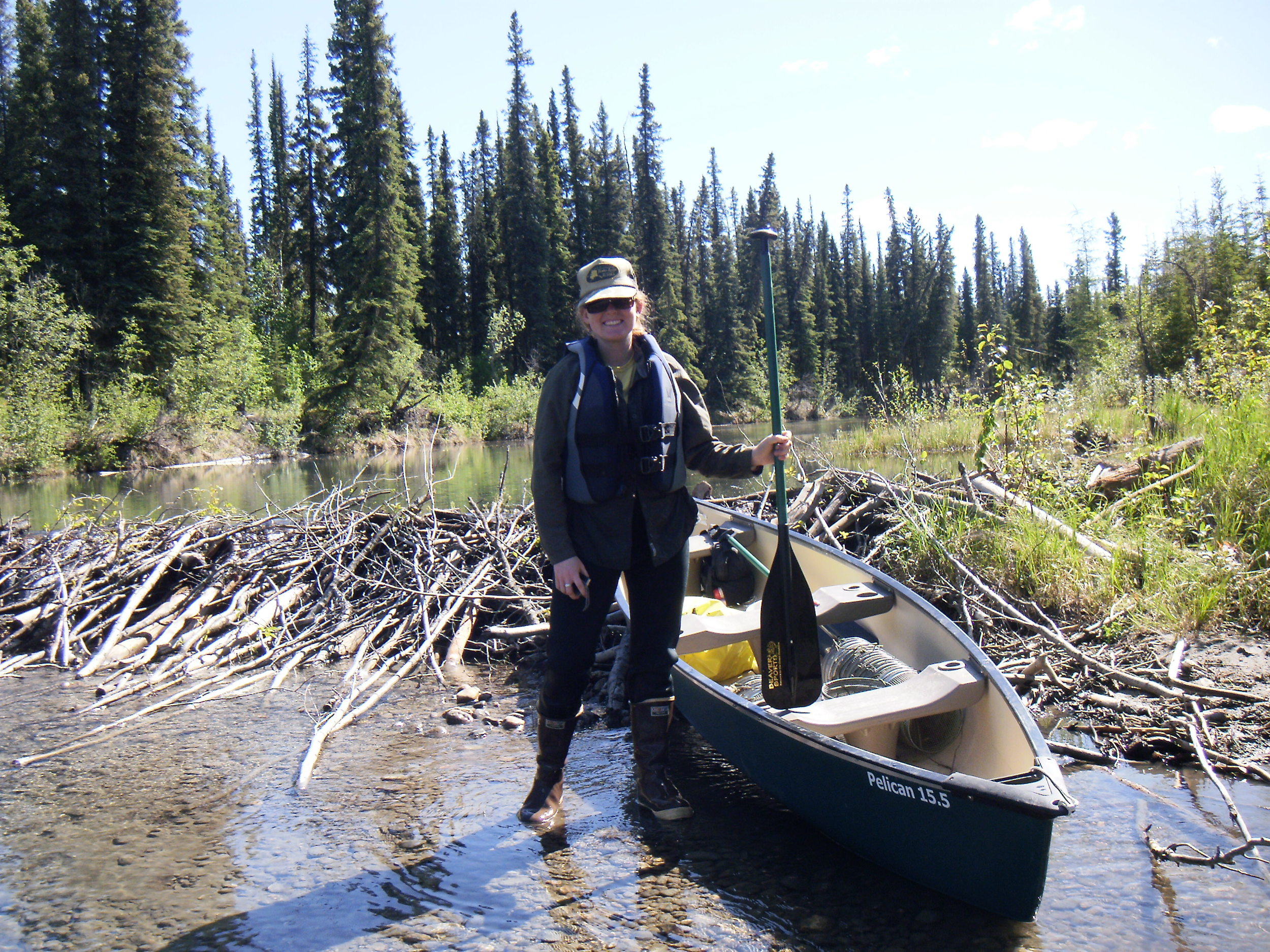
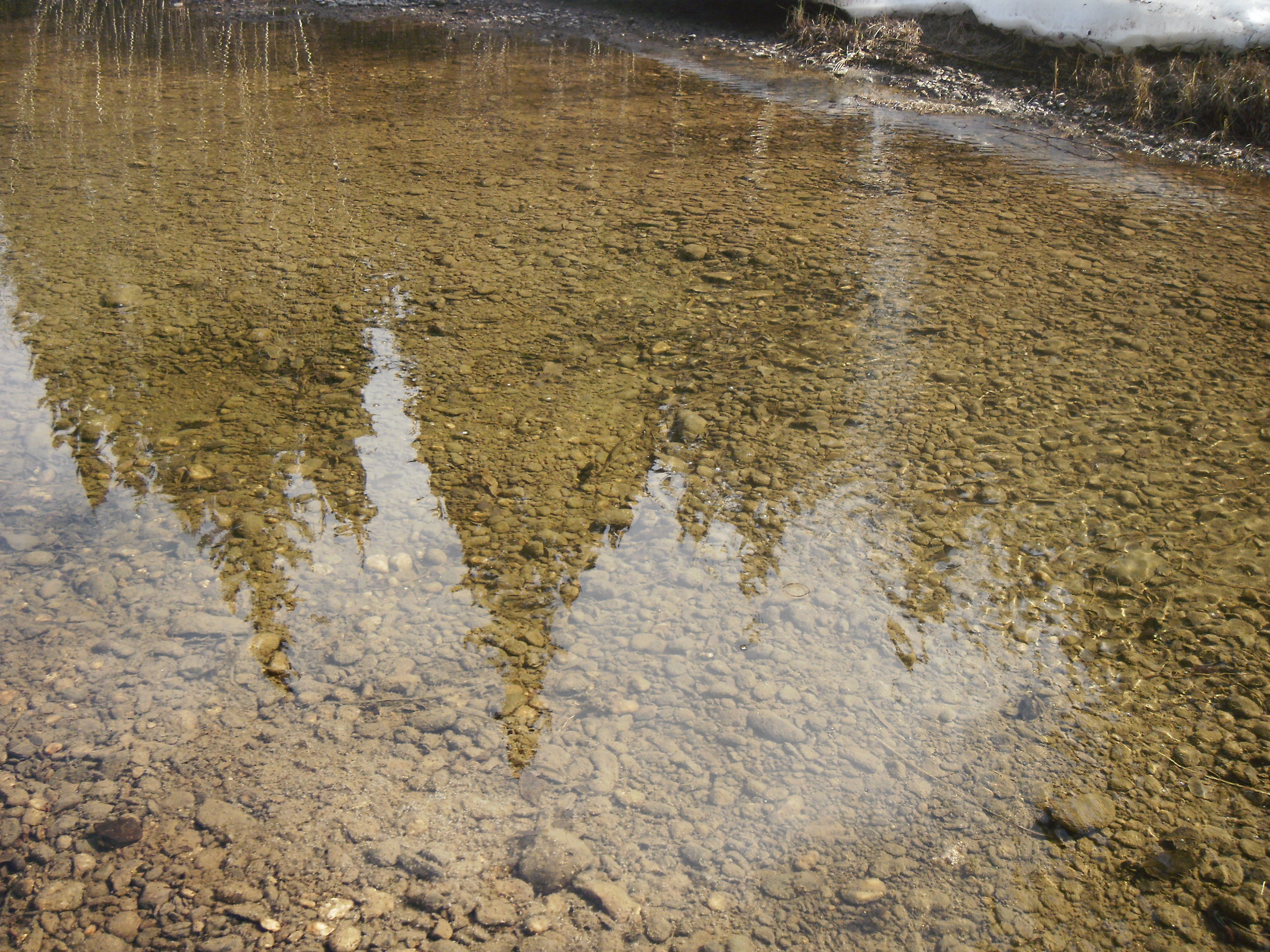
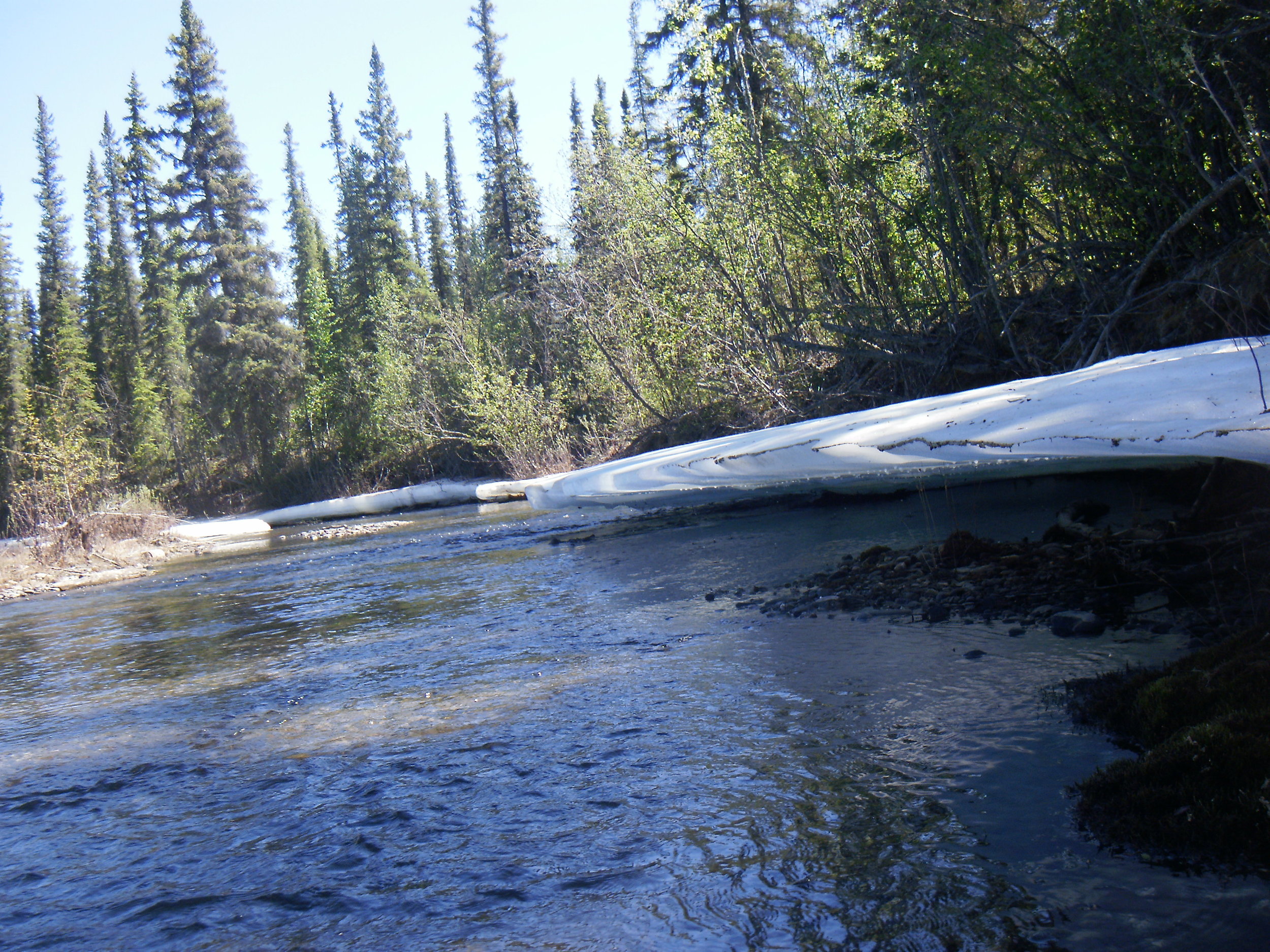
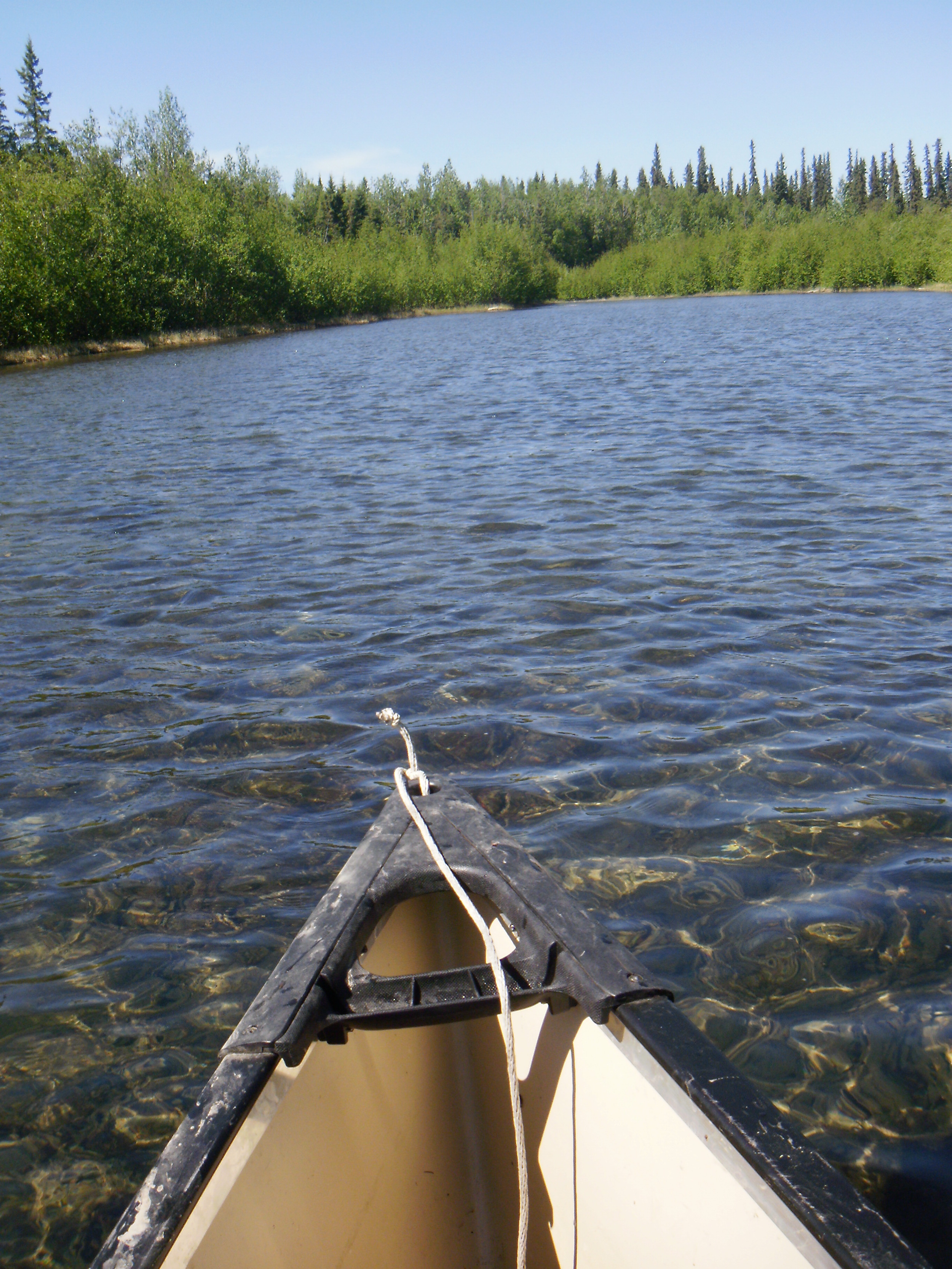
The Piledriver Study was a 10-year study to monitor fish passage and beaver dams along the Piledriver Slough from the Levee site to Bailey Bridge. This project was led by the Tanana Valley Watershed Association (TVWA) in consultation with Alaska Department of Fish and Game and in partnership with the Salcha Elementary School. TVWA’s partnership with Salcha Elementary School enabled students to connect with nature and gain scientific skills. TVWA staff set minnow traps out three times each year along the Upper and Lower Piledriver Slough, as well as the 23 Mile Slough. During this time TVWA connected with the students and teachers at the Salcha Elementary to conduct citizen science field trips. Students learned about fish monitoring, beaver activity, riparian changes, invasive and local plant species, observation skills via habitat assessments and water quality monitoring. This project was a unique long term effort that was funded by an agreement with the Alaska Railroad Corporation.
Student Scientists
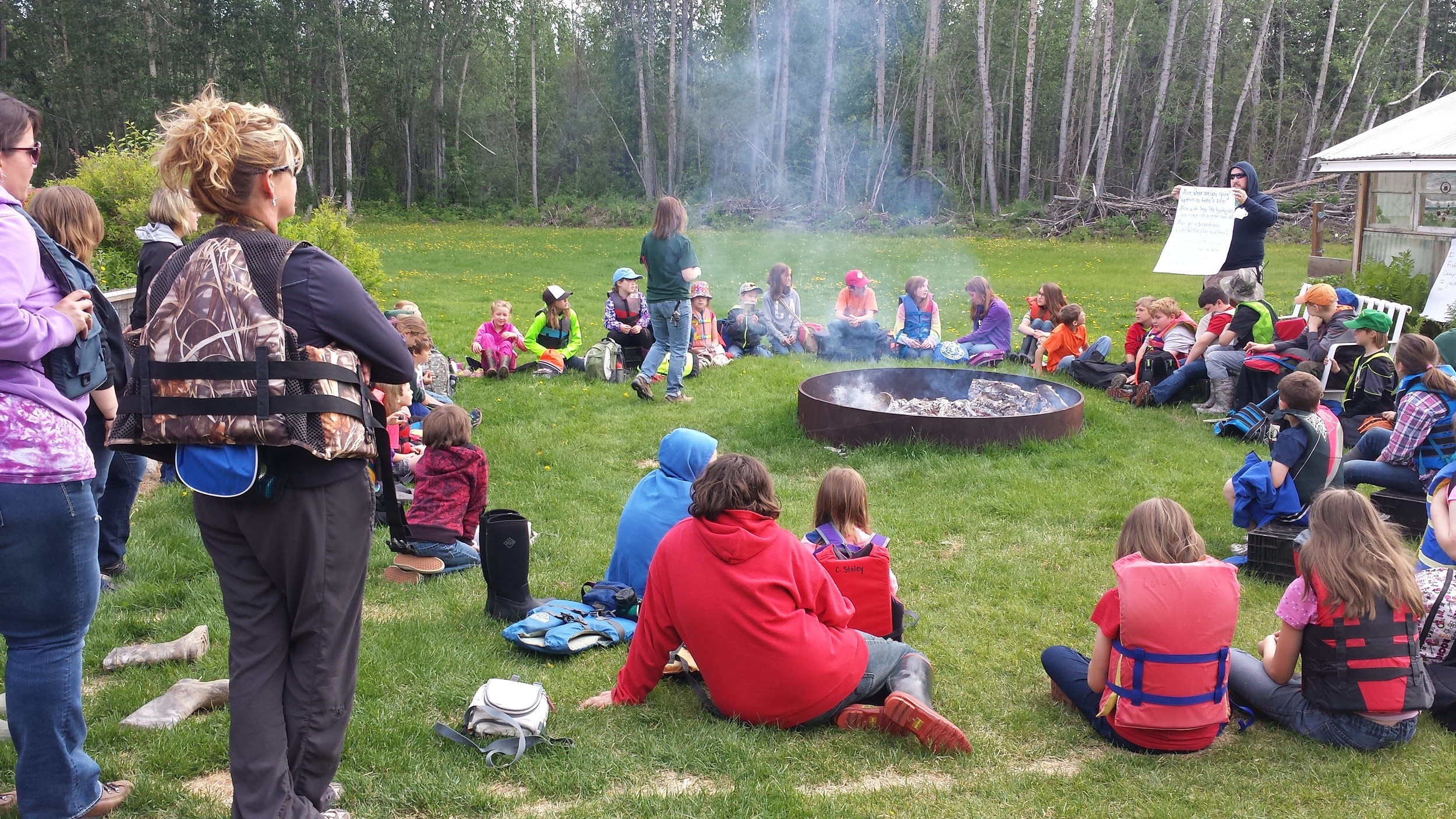
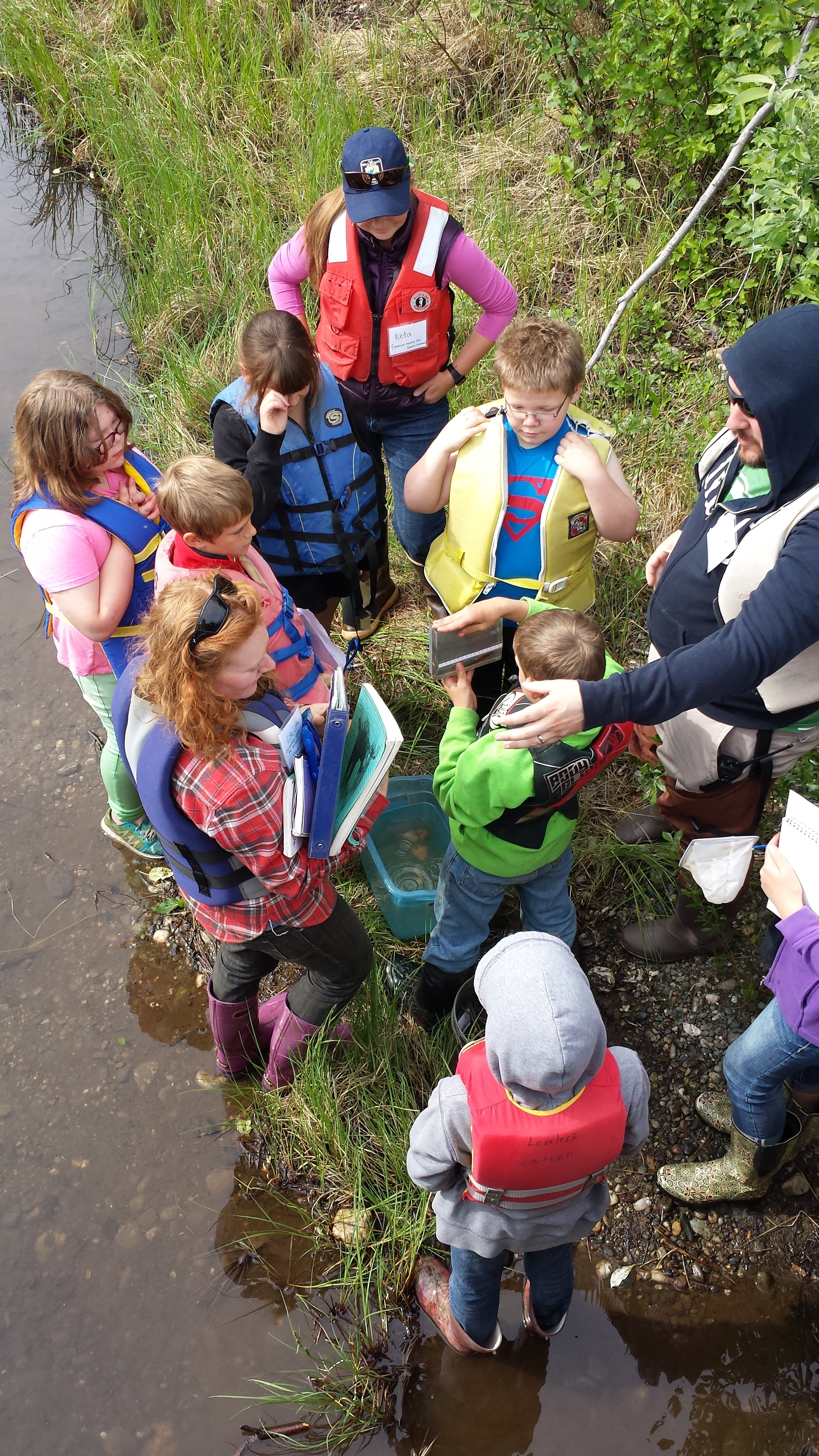
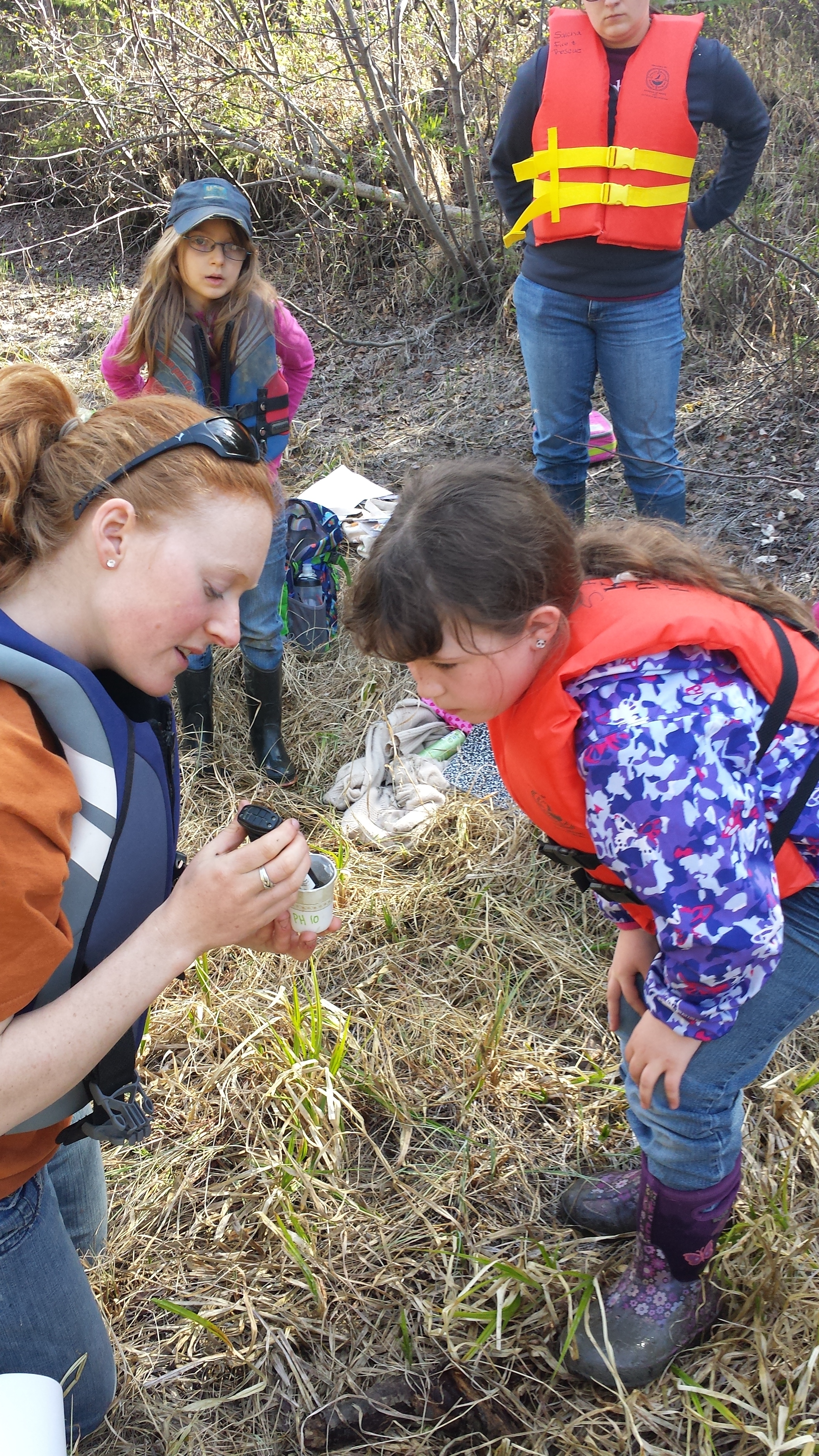
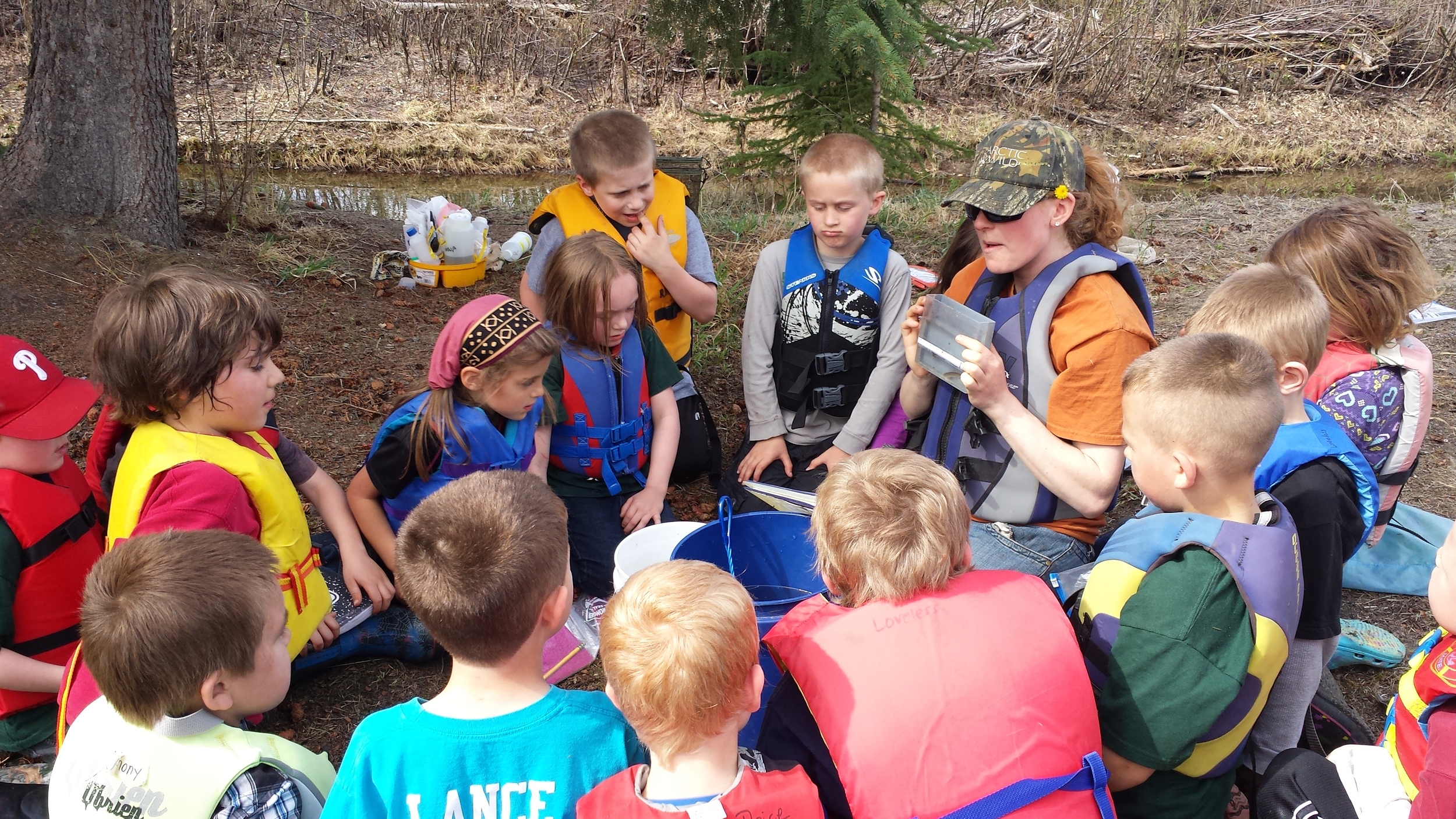
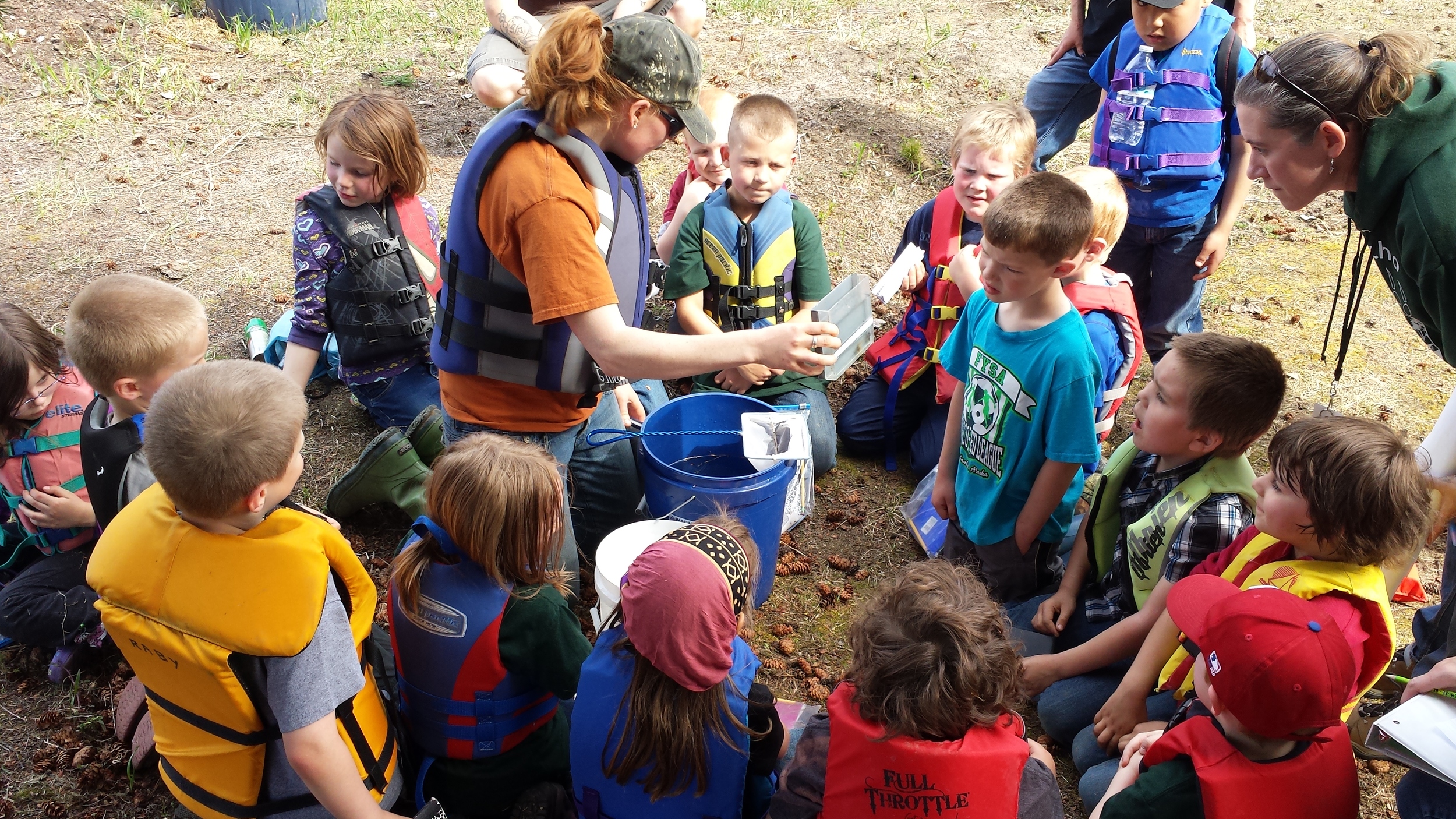
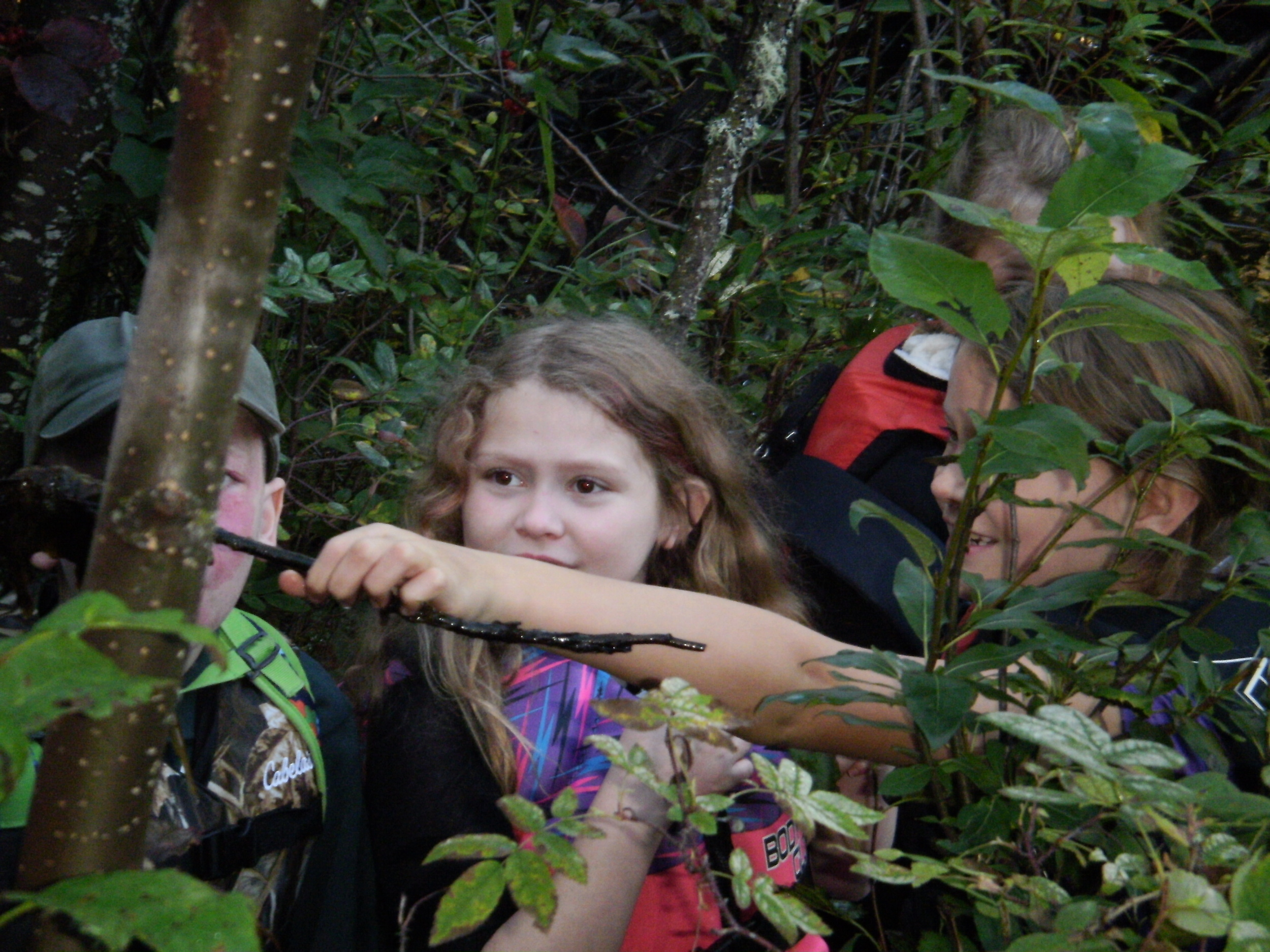
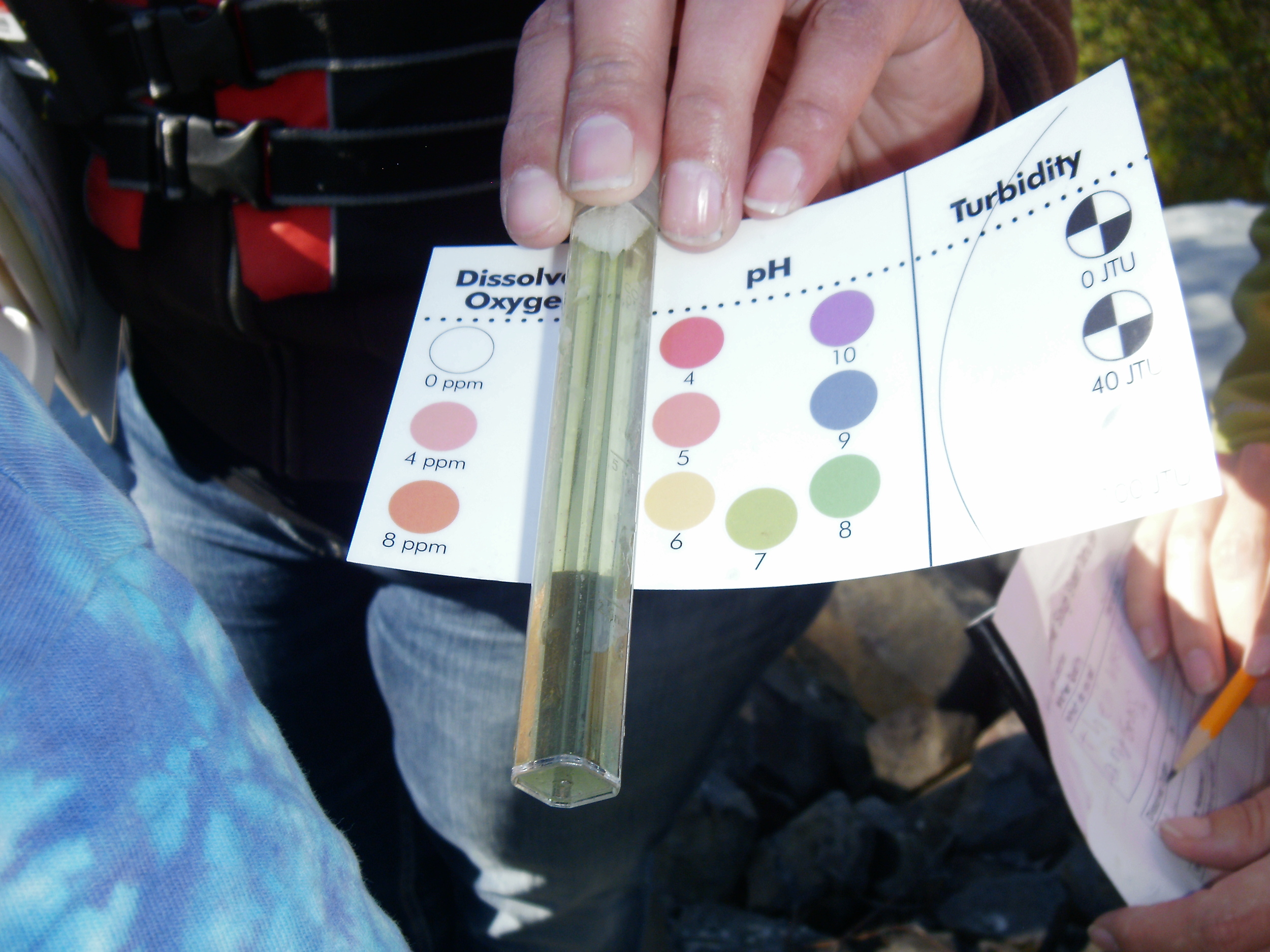
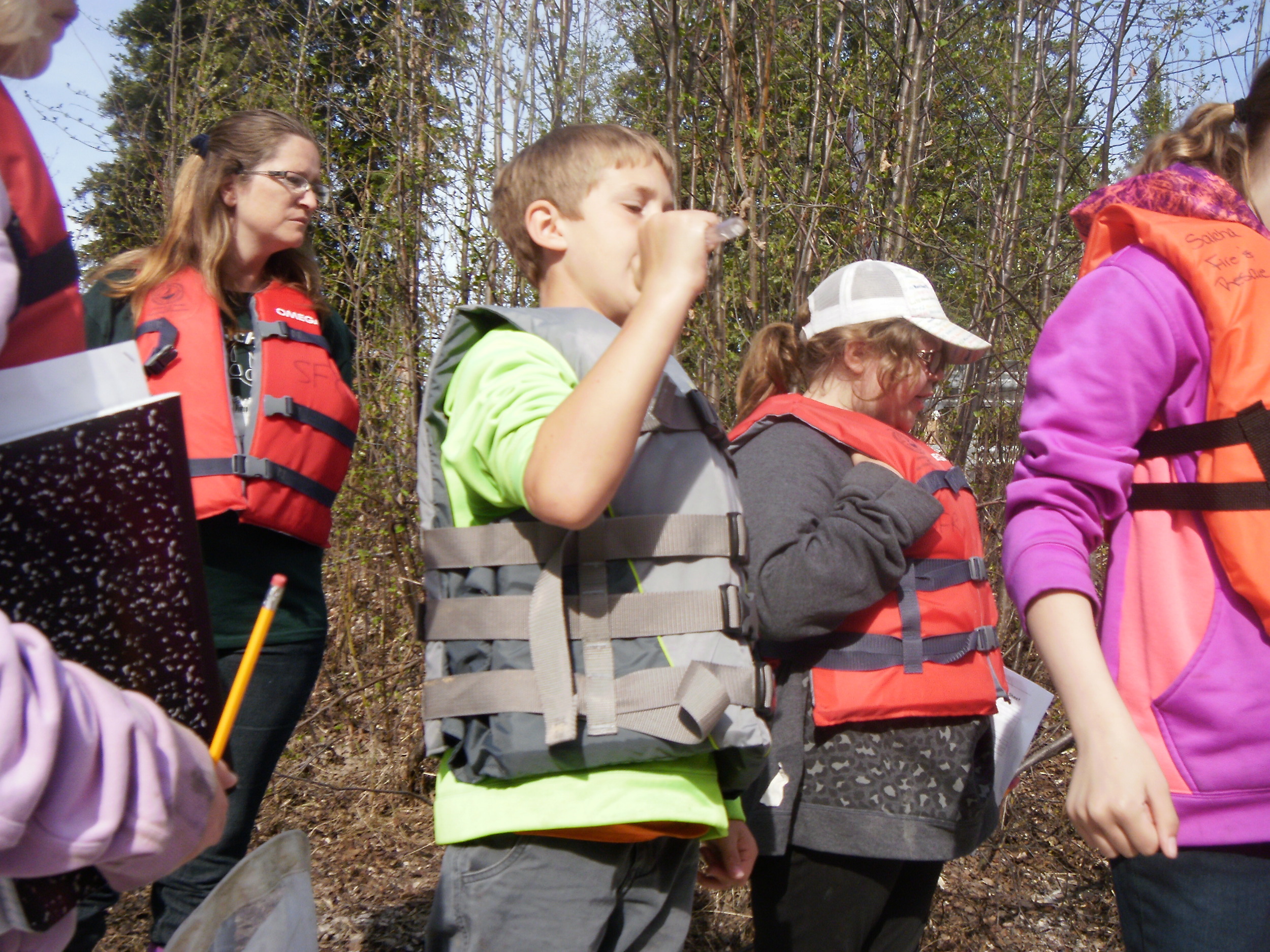
In partnership with Salcha Elementary, TVWA created youth science education curriculum connecting nature and education in an outdoor setting. The curriculum included how to conduct water quality, fish identification, habitat assessment, and healthy bugs. Each student scientist was equipped with a tool kit containing sampling supplies. In 2014 the Salcha kindergarten class won 1st place in the their division of the School District Science Fair with their observations from the project.
Piledriver Annual Reports (click to view)
2020 Piledriver Report
Areas Studied
Hydrology Monitoring
The flow rate changes may cause ice and log jams that would hinder fish passage as well as beaver dams, which will no longer be naturally knocked out by flushing spring flows.
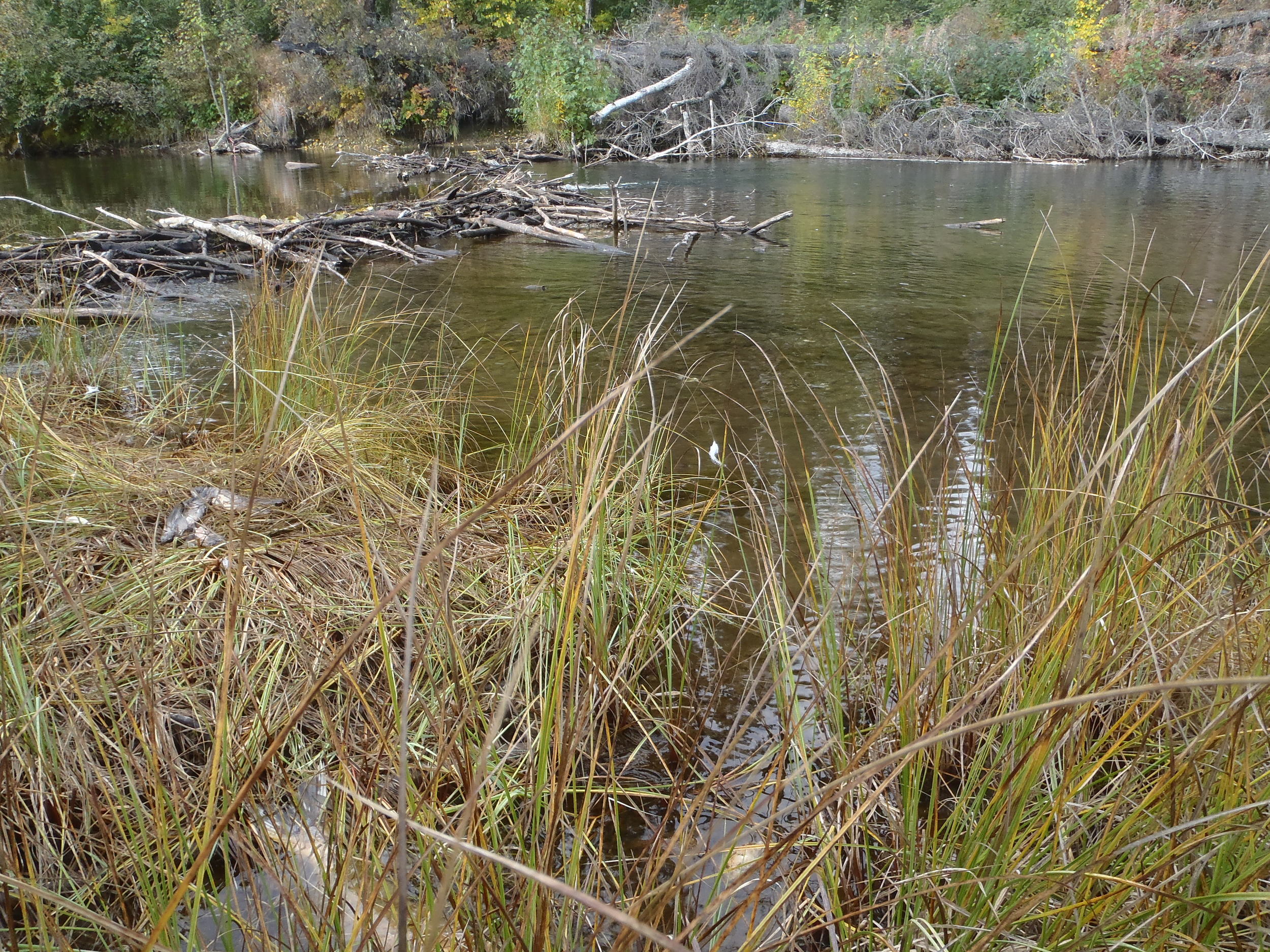
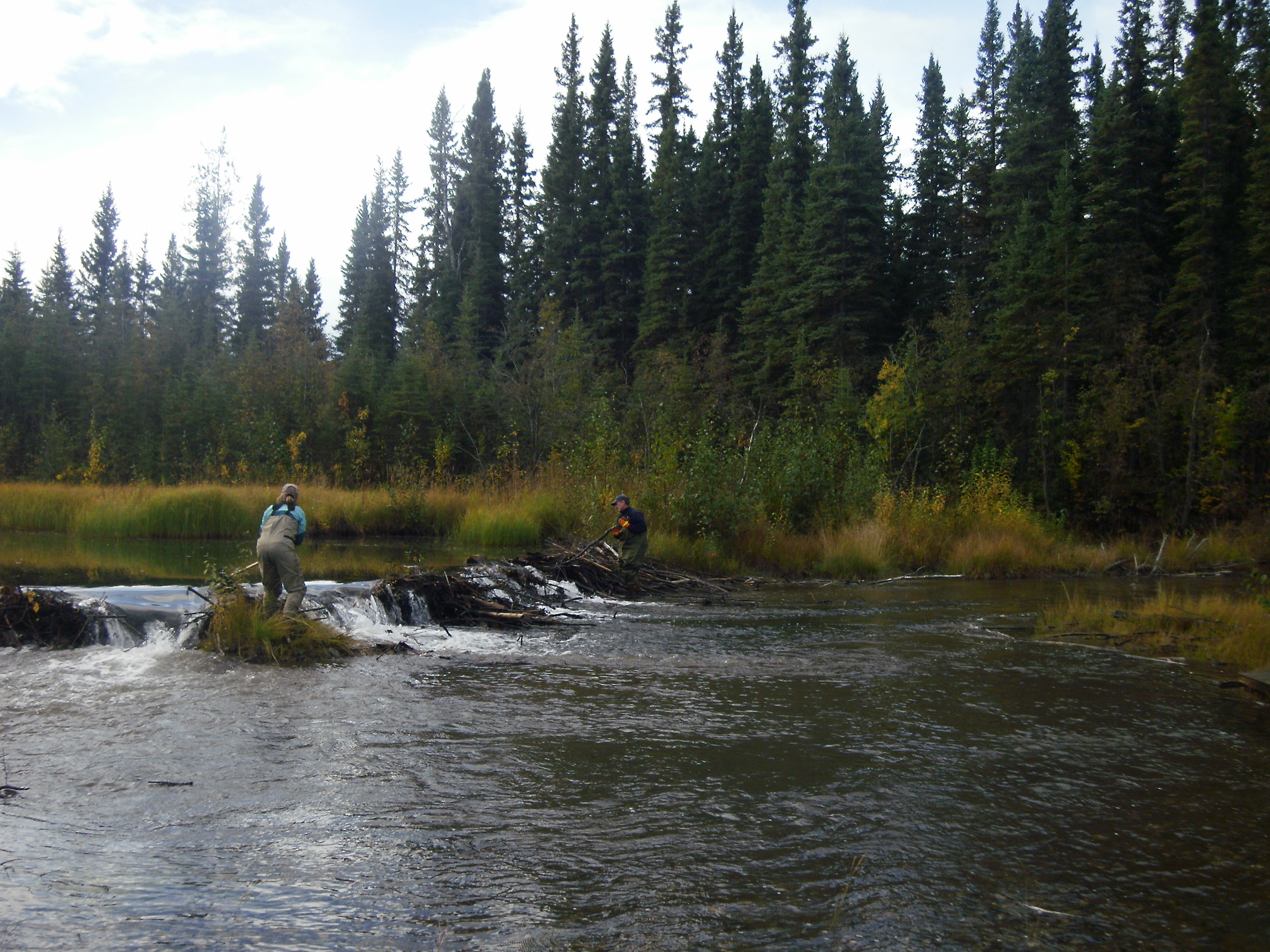
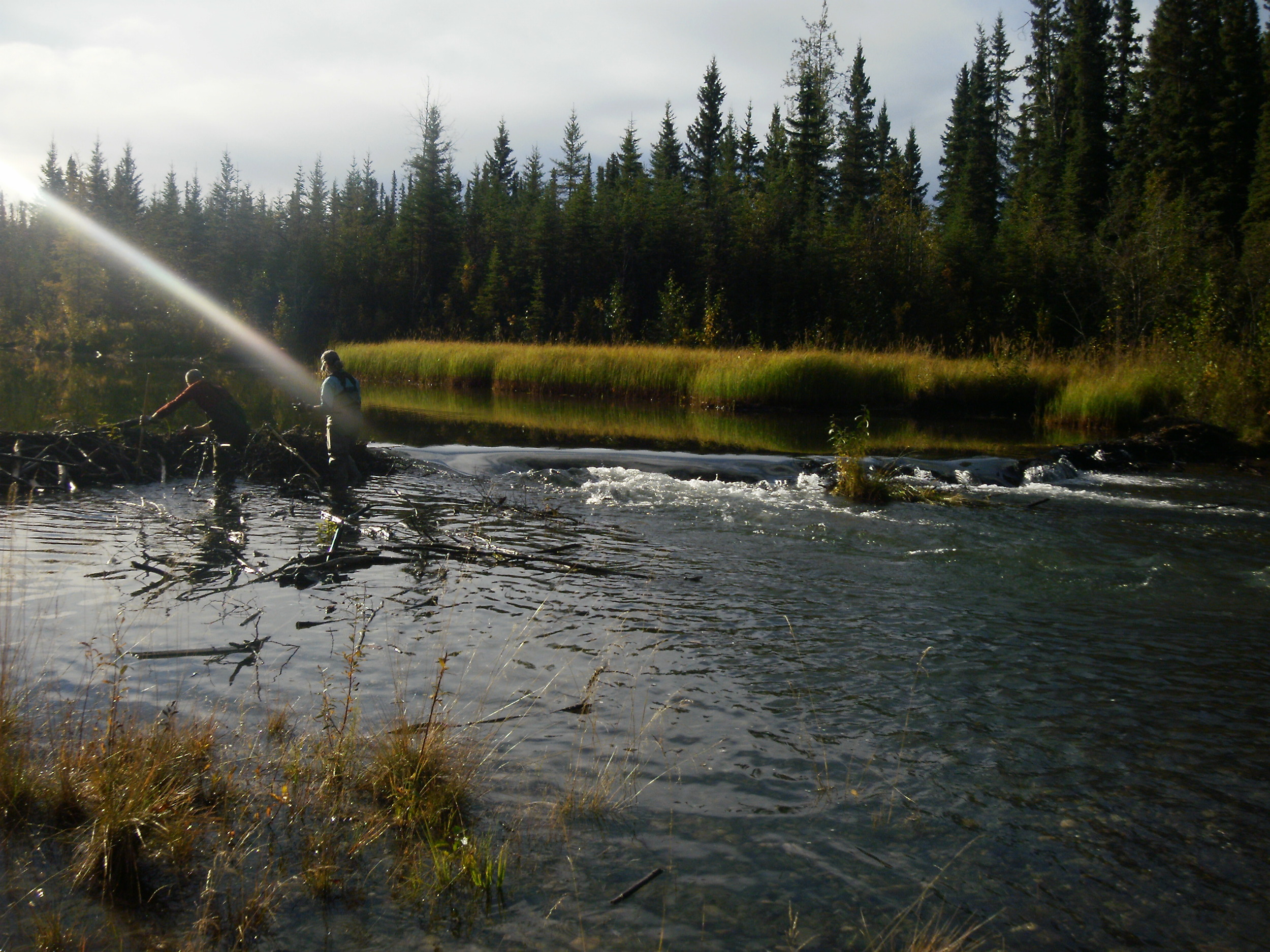
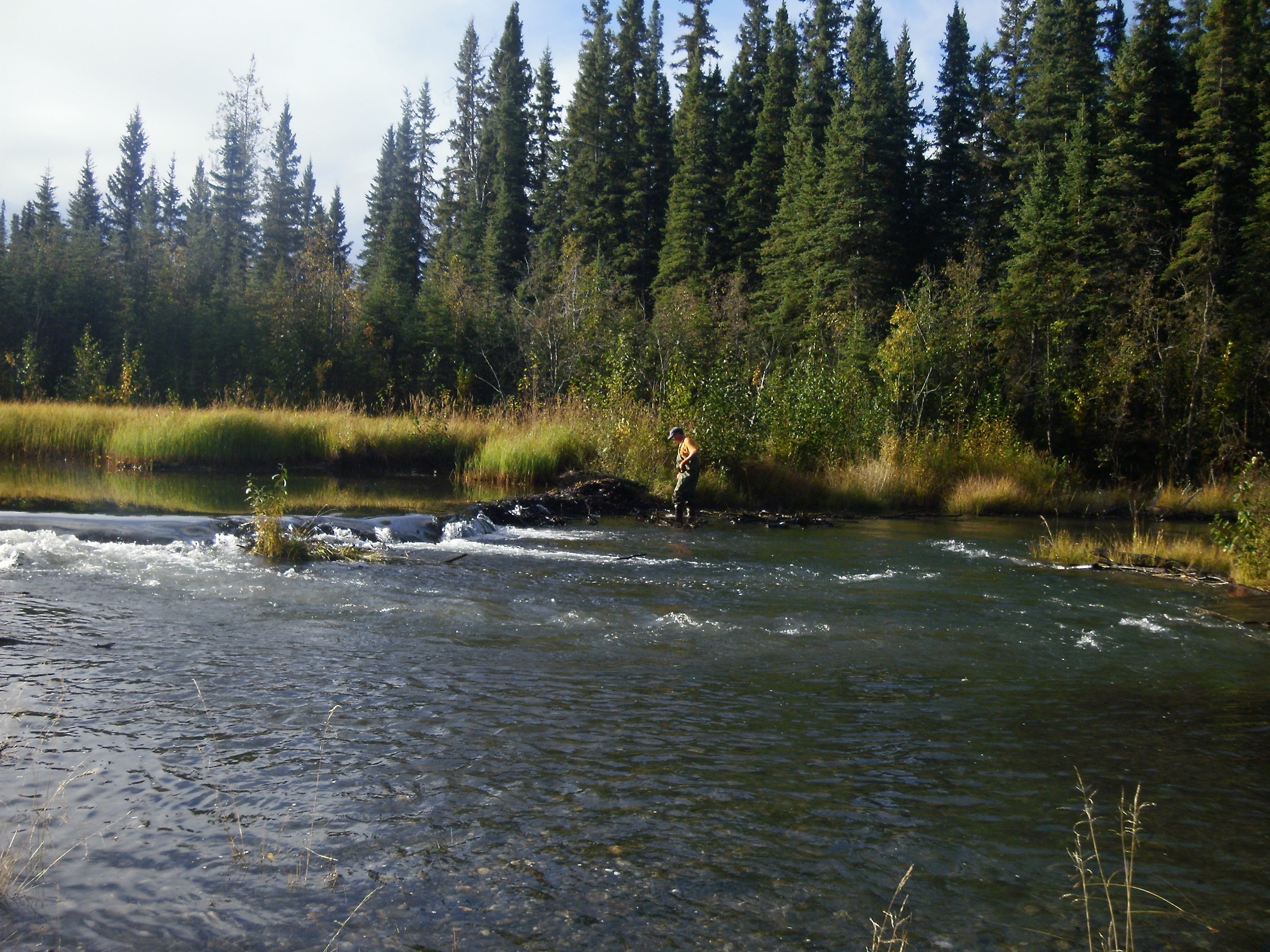
Beaver Dam Activity
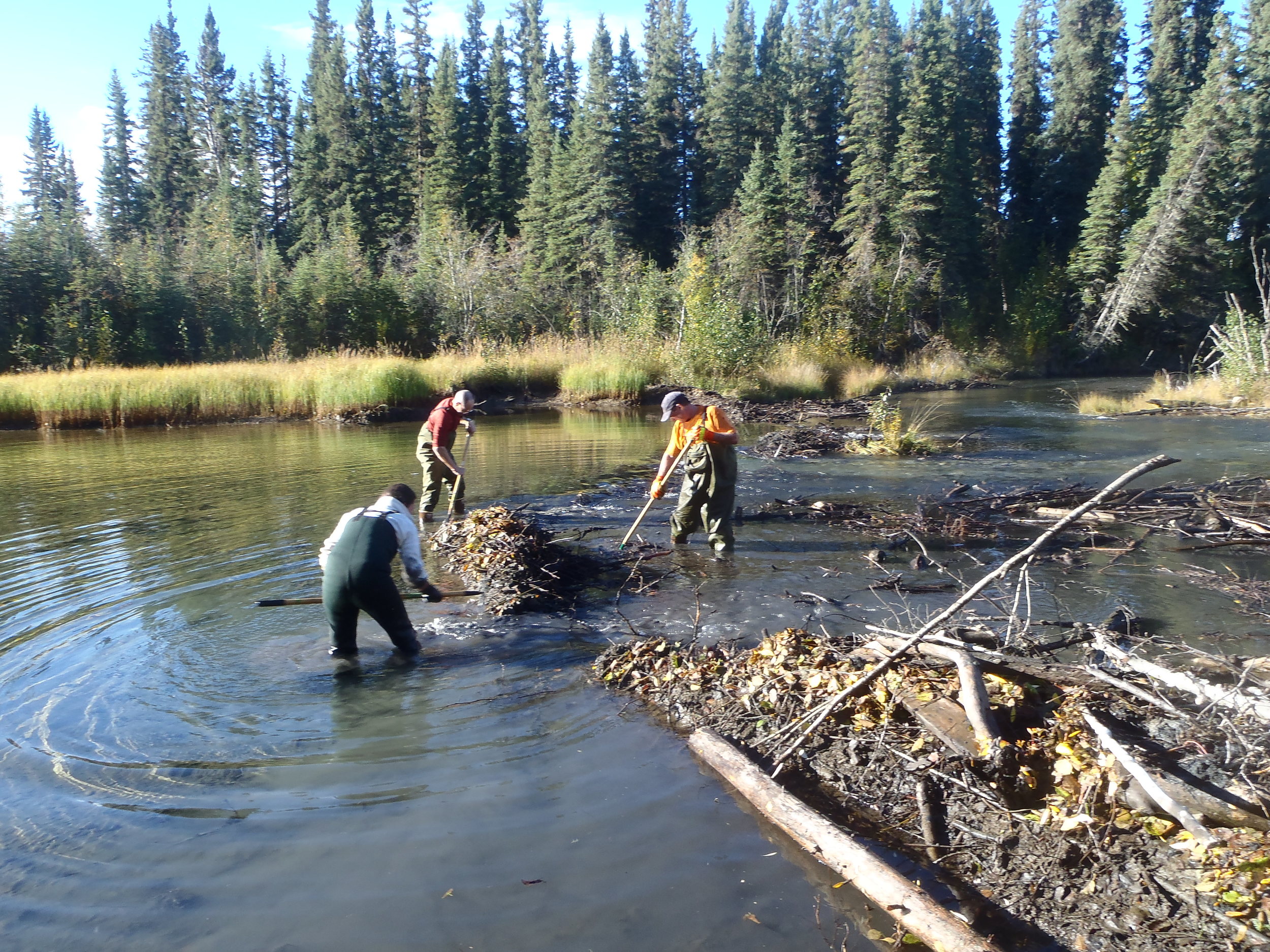
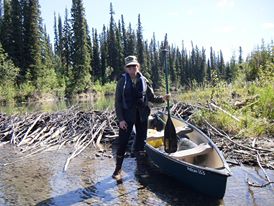
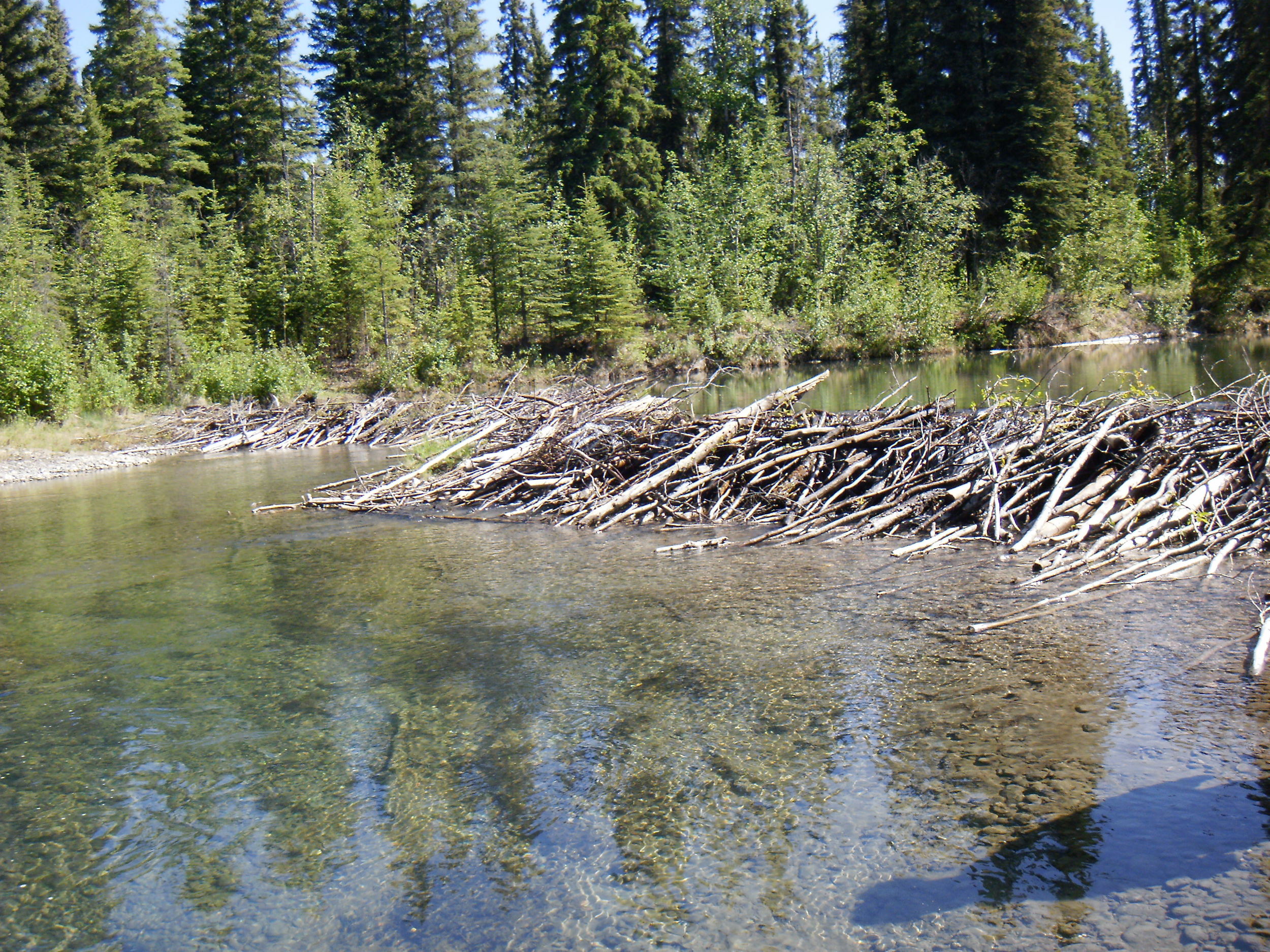
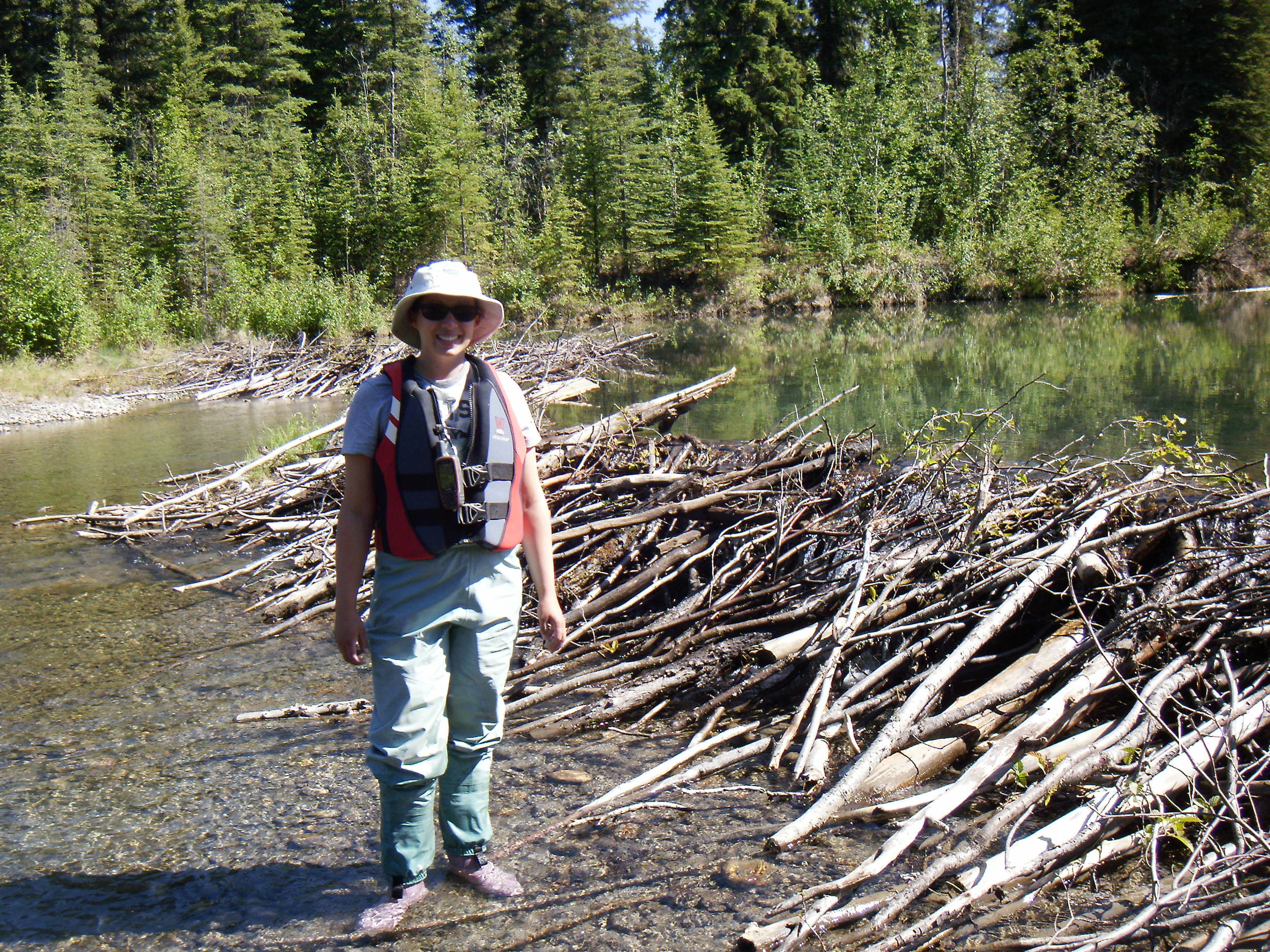
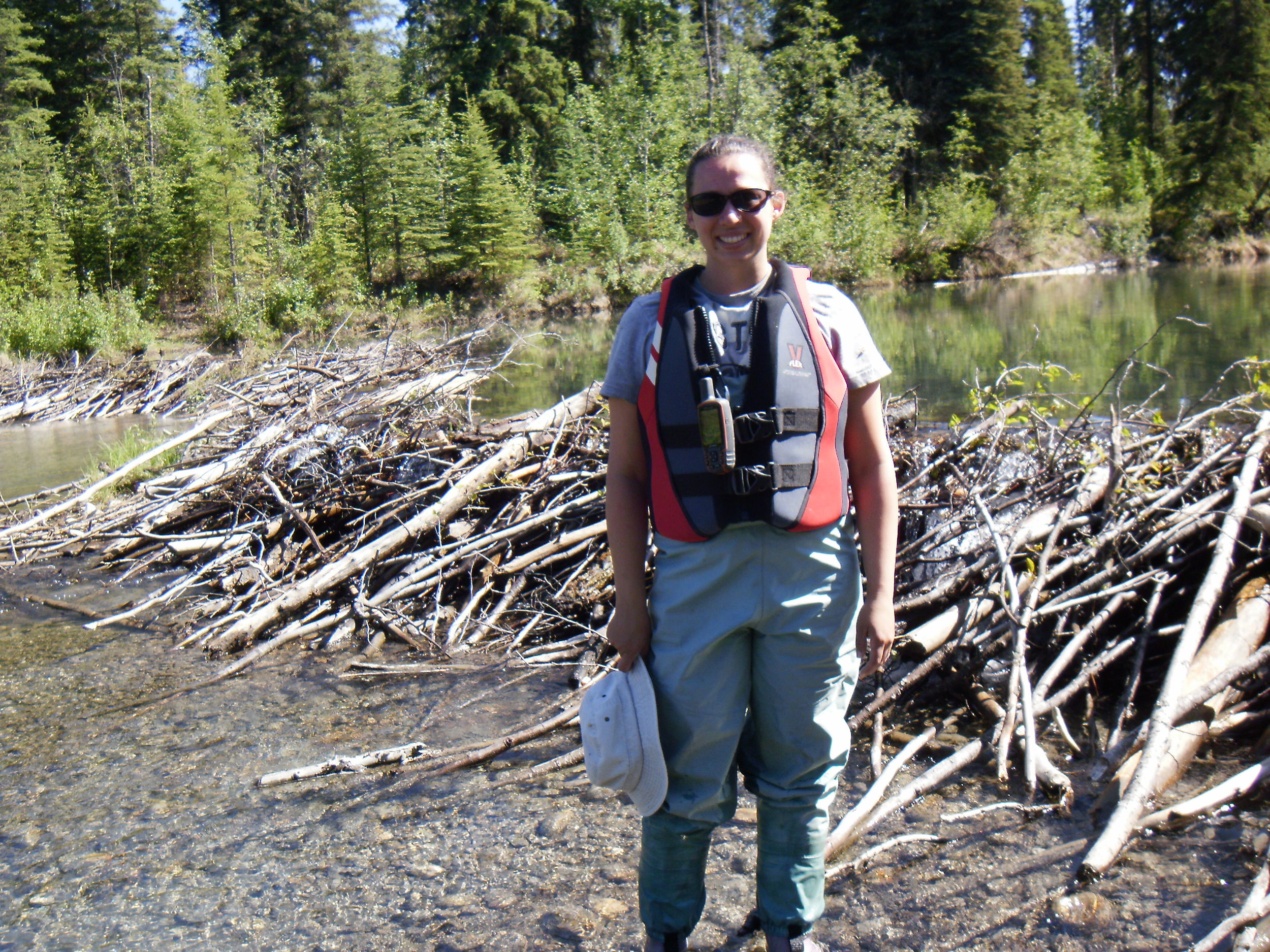
The section of Piledriver Slough from the levee site to the Bailey Bridge was surveyed to find dams twice annually - during both the spring and fall seasons. New and old dams and lodges were measured, photographed and assessed.
Monitoring Changes in Stream Form and Vegetation
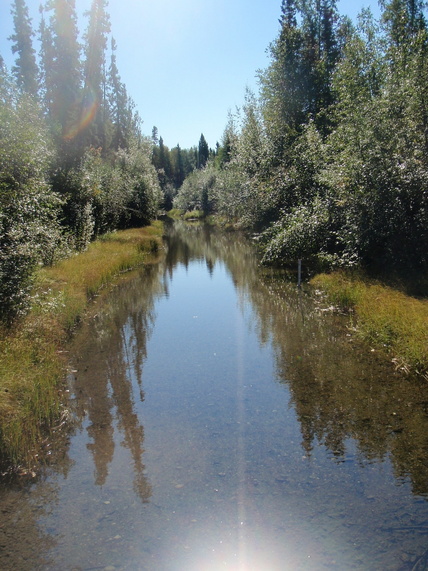
Due to construction of the new rail extension, a levee was put in place that blocks flushing flows into the Piledriver Slough from the Tanana River. The slough is entirely ground fed. TVWA monitored the changes in the shape of the stream banks, stream bed material and vegetation in and beside the slough to determine the effect of the levee over time.
Fish Monitoring
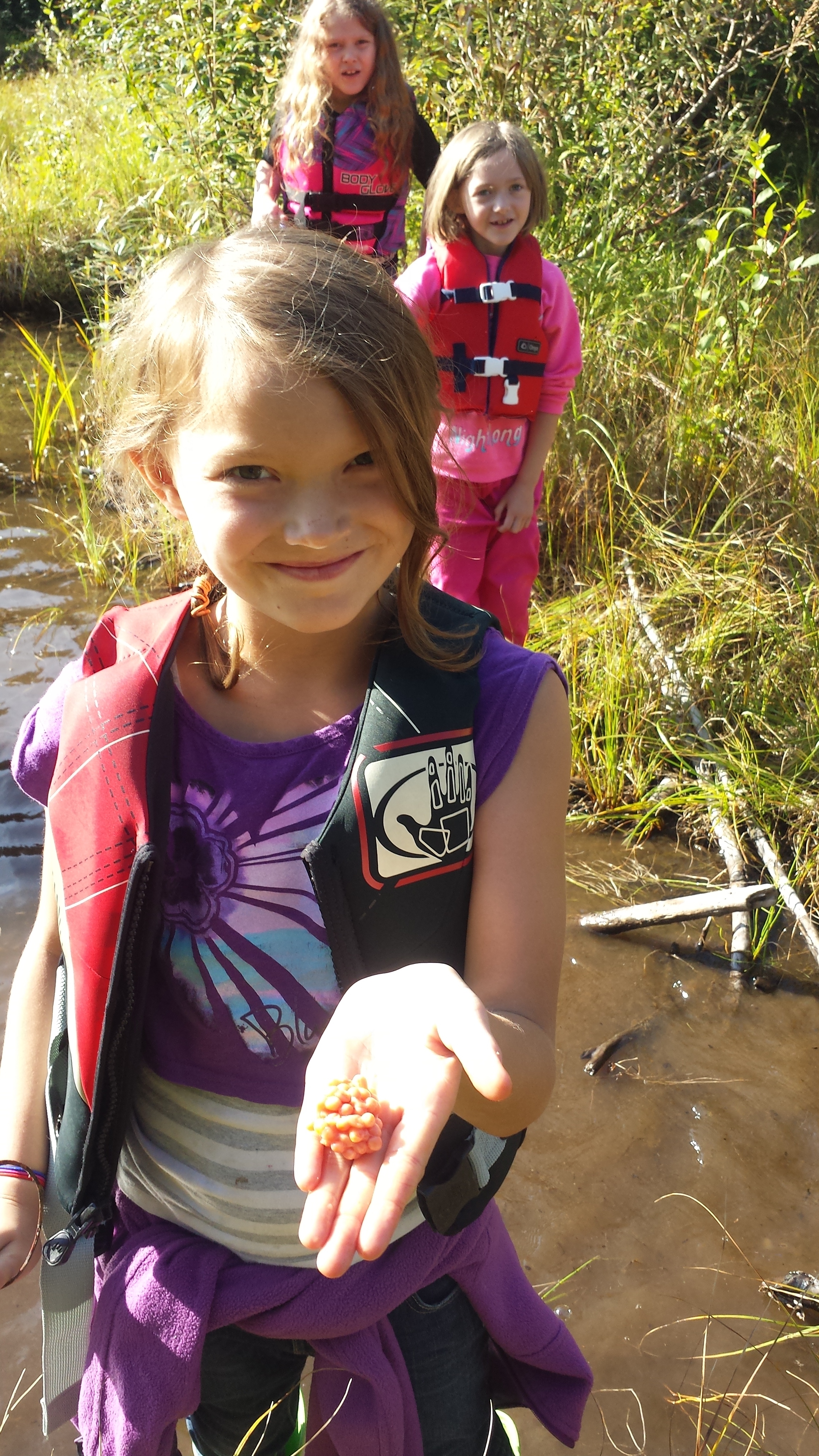
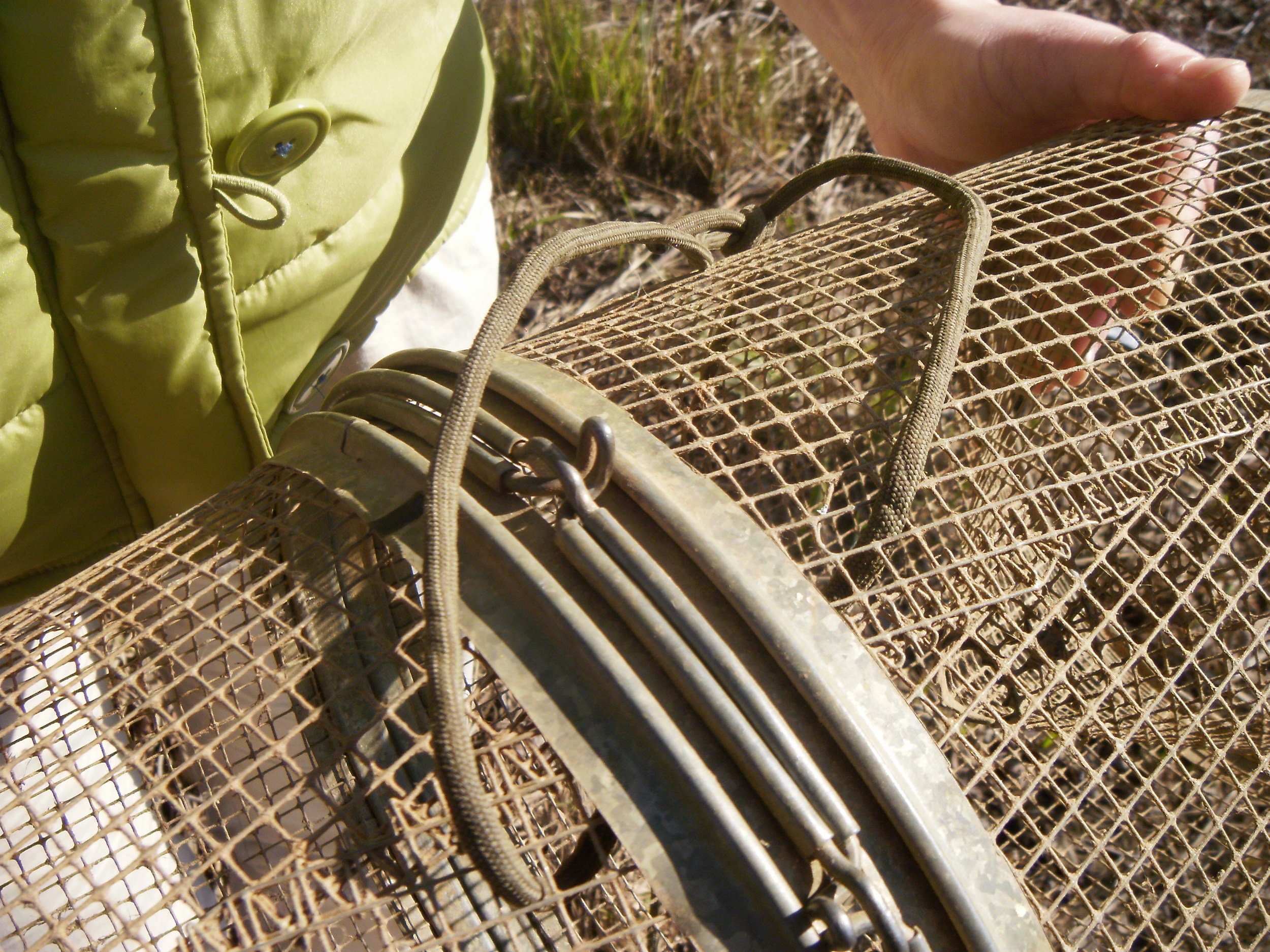
Fish distribution, size species type were recorded using minnow traps baited with salmon roe. Larger fish were also noted when seen.
What kind of fish are found in the Piledriver Slough?
Chinook Salmon
Chum Salmon
Longnose Sucker
Grayling
Burbot
Slimy Scupin
Lake Chub